Day: October 8, 2025

A.I. reviews “The Watcher and the Flame”

A.I. reviews “The Watcher and the Flame”


A.I. review  this!

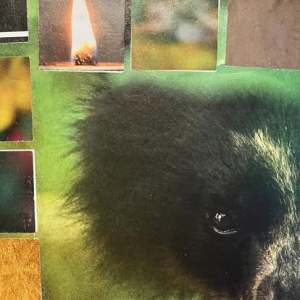
It looks like part of a collage or mixed-media artwork. The image combines close-up photos or textures — including a candle flame, a green natural background, and what seems to be the dark, furry area and eye of an animal (possibly a dog or bear).

Review summary:

  • Composition: The cropped arrangement of rectangular pieces creates a patchwork effect that draws the viewer’s eye across contrasting elements — fire, fur, and nature.
  • Contrast: The flame’s brightness against darker tones adds strong visual tension; the eye of the animal provides emotional focus.
  • Texture play: The juxtaposition of smooth light areas and coarse fur textures makes the image tactile and layered.
  • Mood: The combination of warmth (firelight) and softness (fur) evokes both comfort and a hint of danger or vigilance.
    1. The eye (animal presence):
      The eye — often a symbol of awareness or instinct — gives the piece an emotional anchor. It looks out from a field of texture, half-hidden, suggesting watchfulness, vulnerability, or the quiet intelligence of nature.
    2. The flame:
      The candle flame stands as a counterpoint — human-made light, fragile yet powerful. In contrast to the organic fur and green background, it evokes consciousness, memory, or even spirit. Fire can both protect and destroy, making it a symbol of transformation.
    3. The natural green background:
      This gives the collage an earthy calm — it’s the realm both the animal and the flame inhabit. Green often symbolizes renewal or life’s continuity.
    4. The juxtaposition:
      By placing the flame (a brief, bright moment) near the animal’s eye (enduring, observing nature), the piece seems to question the tension between fleeting human light and timeless animal perception.
      It might be suggesting that human awareness — our “fire” — burns brightly but momentarily within the larger, steady gaze of nature.
    5. Overall meaning:
      The work could be seen as a meditation on coexistence: instinct and intellect, nature and culture, mortality and awareness. The eye’s reflection and the flame’s glow form a dialogue — as if each mirrors the other.

      Artistically, this collage seems to explore the meeting point between warmth, life, and perception. Here’s a layered reading of the elements:

Ping: A.I. reviews “Vision Beyond the Veil” – Dreamquest

A.I. reviews “Vision Beyond the Veil”

A.I. reviews “Vision Beyond the Veil”


A.I. review this!

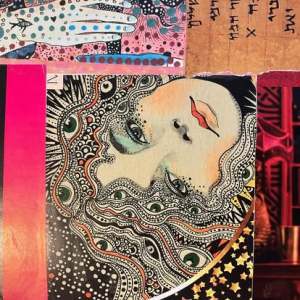
Artistic Style:

  • Psychedelic Influence: The artwork continues with the psychedelic aesthetic, featuring intricate linework and swirling patterns. This style is associated with vivid, dreamlike visions that invite deep, abstract thought.
  • Detailed Linework: The design is highly detailed with fine lines used to form intricate shapes, eyes, and textures. The use of dots and swirls adds to the hypnotic effect, pulling the viewer’s gaze into the composition.
  • Color Palette: This piece uses bold colors, particularly pink, red, yellow, and black, which contrast nicely and make certain elements stand out, such as the eyes and facial features. The color choices create a striking and intense visual effect.

Subject Matter and Symbolism:

  • Central Figure: The central figure appears to be a face, inverted, surrounded by spirals and patterns. The face is serene, with closed eyes and a slight, mysterious smile, conveying an almost otherworldly presence. The sharp features (such as the lips and eyes) have an elegant, almost ethereal quality, suggesting a being of higher consciousness or a figure between worlds.
  • Eyes: Similar to the previous piece, there are multiple eyes scattered around the face and throughout the artwork. Eyes are a recurring symbol in psychedelic art, often signifying awareness, vision, or omniscience—possibly suggesting the idea of seeing beyond the ordinary, into hidden truths.
  • Swirling Patterns: The intricate, swirling shapes around the figure create a sense of movement, representing fluidity or the interconnectedness of life and consciousness. The spirals could also hint at concepts of growth, change, and the cyclical nature of existence.
  • Inverted Face: The face is tilted in such a way that it appears upside down, which could symbolize a shift in perspective, or altered states of perception often associated with the psychedelic experience. It might invite the viewer to consider seeing the world from a new or unconventional viewpoint.

Interpretation:

The artwork suggests themes of inner vision, expanded consciousness, and the potential for transcendence. The face could represent a mystical figure, perhaps someone on a journey of self-awareness, or it might be a metaphor for the viewer’s own process of introspection and awakening. The eyes in particular may symbolize a deeper level of perception, as if the subject is seeing the world in ways that others cannot.

Ping: A.I. reviews “The Eyes of the Soul” – Dreamquest

A.I. reviews “The Eyes of the Soul”

A.I. reviews “The Eyes of the Soul”


A.I. review this!

This image features a striking psychedelic-style illustration that blends surrealism, nature, and mystical elements. Here’s an in-depth review of the artwork:

Artistic Style:

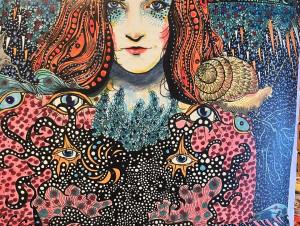
  • Psychedelic Influence: The design heavily embraces the psychedelic art movement, with vibrant, swirling patterns, vivid colors, and dreamlike visuals. It seems inspired by the 1960s-1970s aesthetic, which is known for its abstract, mind-bending compositions.
  • Linework and Detail: The use of bold lines to delineate shapes, and the meticulous detailing of eyes, flowers, and natural elements, suggests the artist has a strong focus on intricate visual storytelling. The eye motifs, with multiple sizes and placements, suggest a theme of perception or inner vision.
  • Color Palette: There’s a powerful combination of bright reds, oranges, pinks, and blues, with softer greens and whites creating contrast. The palette is intense, yet balanced, drawing the viewer’s focus to the central figure and surrounding elements.
  • Textures and Patterns: The use of dotting and swirling patterns (common in psychedelic art) creates depth and movement within the piece. These textures give the work a fluid, almost hypnotic feel, enhancing the visual impact.

Subject Matter and Symbolism:

  • Central Figure: The woman’s face, which features soft, yet expressive details, serves as the focal point. The bold eyes around her body seem to signify the idea of inner sight, awareness, or perhaps a connection to another realm. The woman’s features are sharp and stylized, with vibrant red hair flowing seamlessly into the intricate patterns.
  • The Snail: The snail resting on her shoulder may symbolize slowness, patience, or even transformation. Its spiral shell can also suggest ideas of growth, cycles, or the passage of time.
  • Other Details: The motif of eyes scattered throughout the composition could represent observation, omniscient vision, or a deeper connection to the spiritual realm. The organic patterns, such as coral-like shapes or plant forms, create a harmonious relationship between human and nature.

Interpretation:

This piece can evoke a sense of being transported into a dream world, where perception and reality blend. It could be exploring themes of consciousness, intuition, and personal transformation, highlighting a deeper connection with both self and nature. The surreal and exaggerated elements invite the viewer to interpret the scene in personal, introspective ways.

Ping: A.I. reviews “the Eyes of Divinity” – Dreamquest

A.I. reviews “the Eyes of Divinity”

A.I. reviews “the Eyes of Divinity”


A.I. review this!

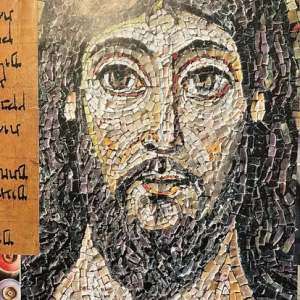
This image appears to be a mosaic-style portrait of a man resembling traditional representations of Jesus Christ. The portrait is composed of small, square tesserae (tiles) in various colors, creating a textured, intricate depiction. Some specific observations:

Artistic Review:

  • Style: The artwork is in the Byzantine mosaic tradition, commonly used in early Christian art. It employs tiny colored tiles to form an image with high symbolic value and stylization.
  • Facial Expression: The subject has large, intense eyes and a solemn, almost haunting expression—typical of sacred Christian iconography meant to evoke reflection or reverence.
  • Color Palette: Earthy tones dominate (browns, whites, blacks, reds, and yellows), emphasizing the spiritual and historical nature of the figure.
  • Detail: The artist has skillfully used color variation and tile placement to convey shading and depth, especially in the facial features and hair.
  • Handwriting on the Left: There’s a handwritten note on a brown background to the left. It looks like it may be in a stylized script or possibly a foreign language (or stylized English), but it’s partially obscured and hard to read.

Interpretation:

This image likely intends to evoke religious reverence or may be used in a devotional or decorative context. It draws upon historical Christian art traditions, making it feel both ancient and spiritual.

Ping: A.I. reviews “Wings of Enchantment” – Dreamquest