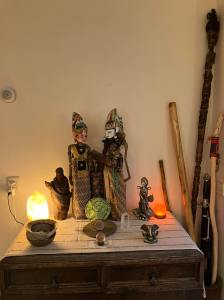
In search of the miraculous My quest along the path of personal meaning: Beneath the veneer of Protestantism, I experience a deep undercurrent of Chinese and Javanese spirituality. When my search began in the Netherlands, only New Age could be found on the bookshelves, and Taijiquan and Yoga in community centers; only later did I reconnect with broader developments, especially shamanism:
Meetings with remarkable people Various encounters with people who inspire me: In addition to the inspiring stories of my father, I have learned much from teachers of Taijiquan and from books/teachers within the Chinese tradition (Confucius, Mencius), as well as books/teachers in Western spirituality (Gurdjieff, Regardie, Starhawk). As a bridge, I experience Modern shamanism (Harner) as an excellent “connector.”
“Most precious are the people; next come the spirits of land and grain; and last, the kings.” (Mencius, 7B.14)
Main current sources of inspiration: Mencius, with regard to shaping humanistic forms of society. Modern shamanism, with regard to rituals. Reclaiming, with regard to political action.
Coil noticed a new entry in the Gatekeeper’s ledger. It was written in blue ink. “Gotham, the Black Mirror. The missing clapper.” “That wasn’t there before.”
The ledger shivered. A narrow door appeared in the air above the table, and through it came the smell of river water, coal smoke, and something old enough to have forgotten its own death. Beyond the threshold stood a boy in a blue coat. “I’m looking for people who can cross worlds without bringing the wrong things with them”.
Hull frowned. “That sounds suspiciously like us.”
“My name is AoJi. Gotham is in danger, and I think your new Compact has something to do with it.”
Vixen offered AoJi her hand. “We’ll help you, but you must promise not to lead us into anything that eats its rescuers.”
“I can promise to warn you,” AoJi replied.
Together they stepped through the doorway.
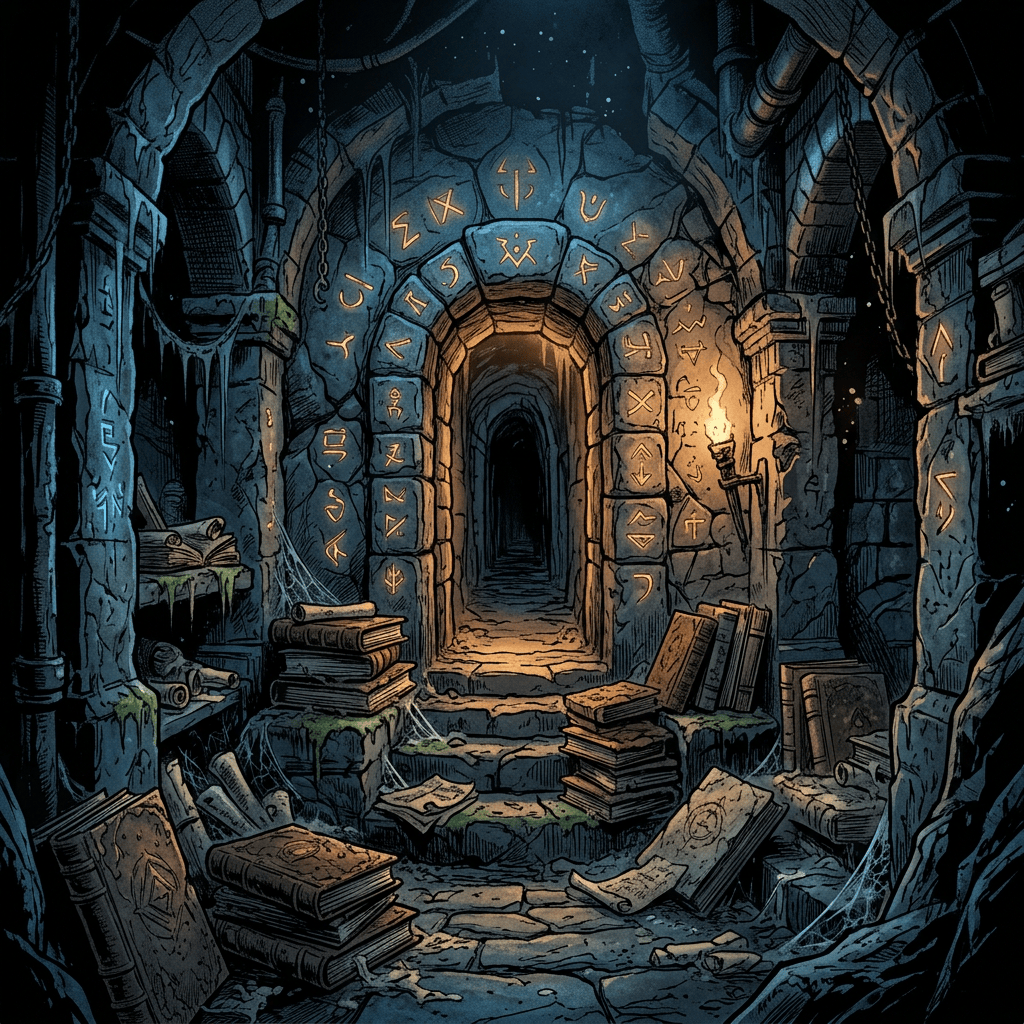
Far beneath Gotham, a bell stirred in its sleep. And somewhere in the darkness, a mirror began to remember hidden names.
The boy in blue had spoken before, though never quite where one expected him. In Gotham, where the old stones remembered kings and the river carried secrets beneath its bridges, he had been seen on rooftops, in ruined chapels, and once reflected in a window that had no building behind it. Those who met him afterwards remembered his blue coat, but seldom his face. Tonight, he watched from the bathhouse rafters.
AoJi worked patiently at the river spirit’s tangled reeds. With every knot released, the water grew clearer, and something ancient stirred beneath the bathhouse floor.
“Gotham,” murmured the spirit, tasting the word as though it were a fishbone. “That is where forgotten things gather.”
The bath-mistress looked sharply upwards. The soot sprites fell silent.
“You know the city?”
“I knew its river before men built their walls. I knew its wells before they gave them numbers. And I remember a bell that rang beneath the streets, calling things by their true names.”
The boy in blue swung down from the rafters and landed without a sound.
“The bell has been silent for years/ Someone stole its clapper. Since then, Gotham has been growing stranger. Doors open onto rooms that never existed. Portraits forget their sitters. And in the oldest quarter, a man has begun selling mirrors in which nobody has a name.”
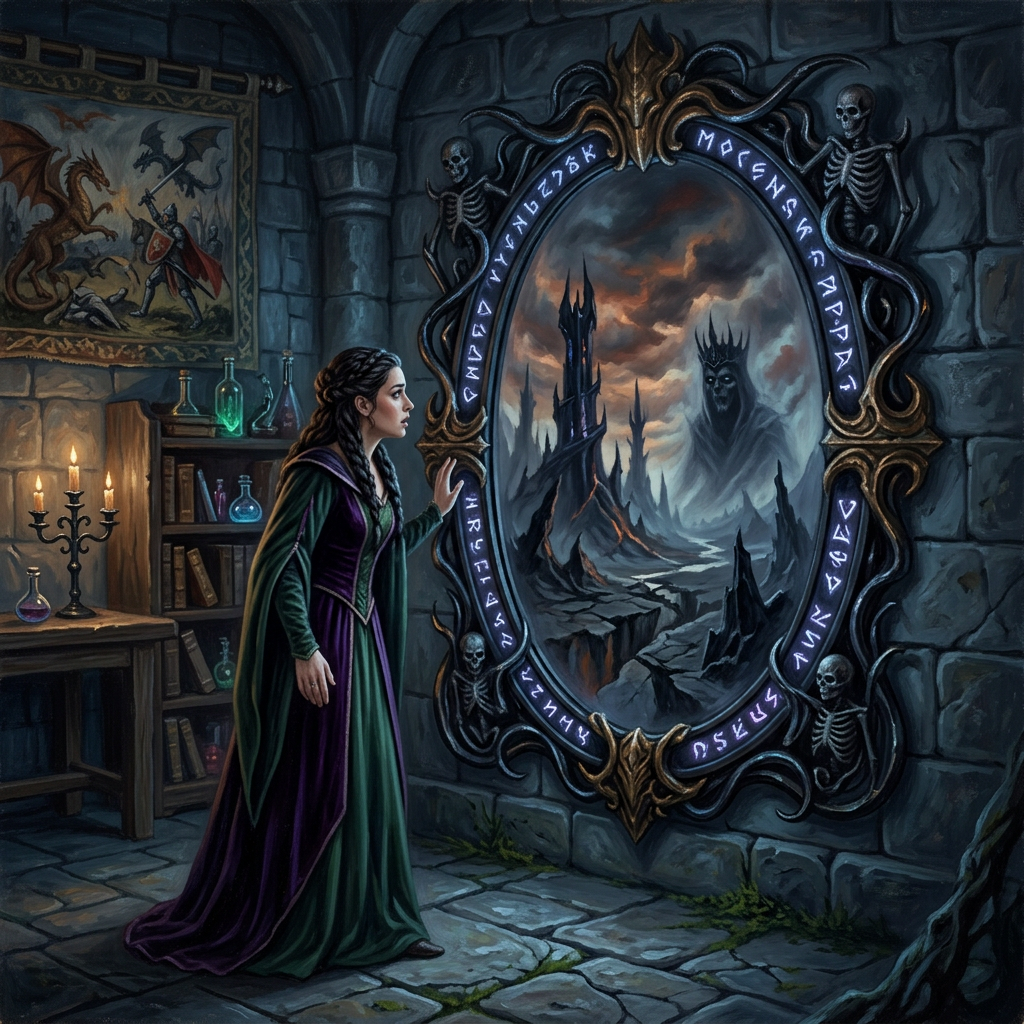
AoJi felt the charm beneath his coat grow cold. “The Black Mirror .”
The boy nodded. “Its maker has come to Gotham, looking for something buried beneath the city.
The bath-mistress placed a hand upon AoJi’s shoulder. “Then your well and our river are bound by the same wound.”
Outside, the tide turned. Far away, beyond the mist, a bell sounded once beneath the earth.
The river spirit rose, taller than the bathhouse doors, water pouring from its ancient shoulders. “Go, name-walker. Find what Gotham has forgotten. But remember this: a name is not a label to pin upon the world. It is a promise to pay attention.”
The boy in blue smiled without amusement. “Come, then. Gotham has been expecting you.”
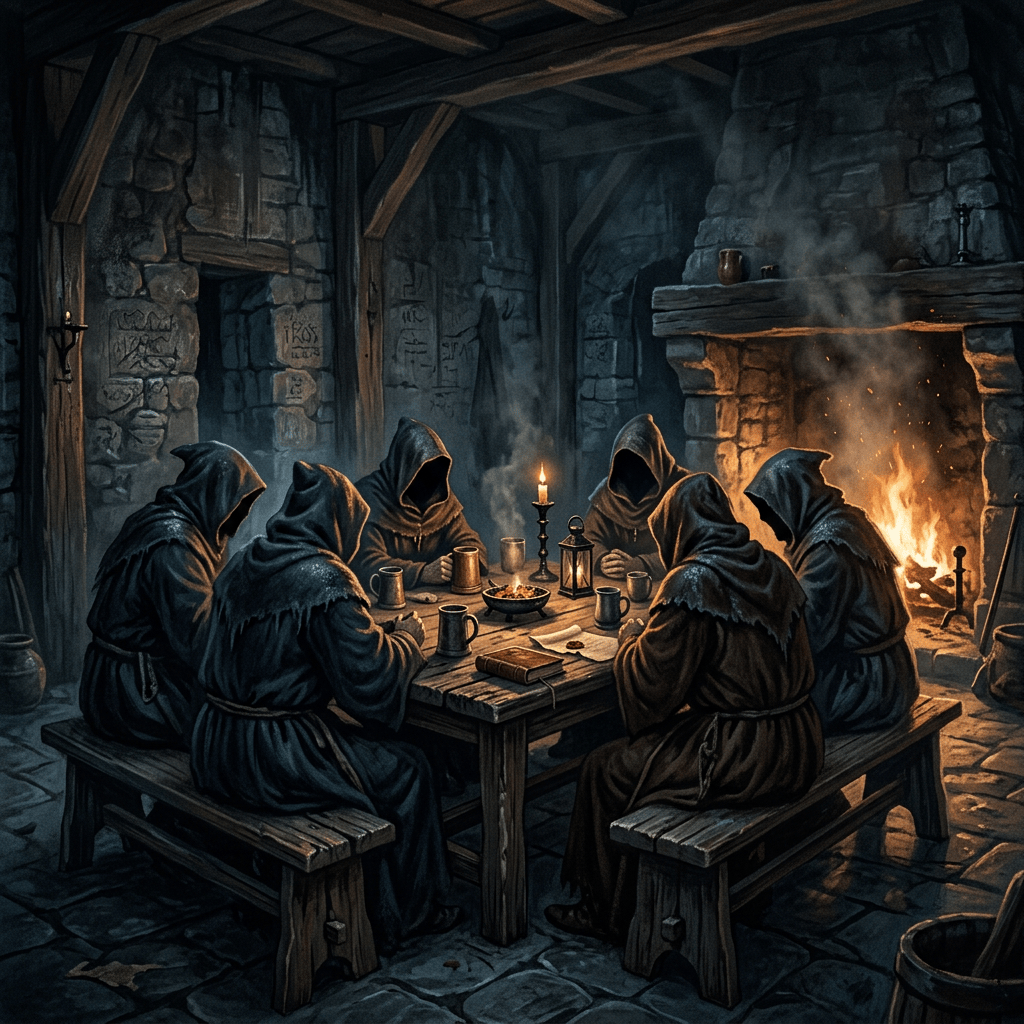
Laughter came through the door in three distinct stages: first as a chuckle, then as the grinding of stones deep underground, and finally as a small, polite cough. A Voice said: “THE GATEKEEPER OF THE BLACK DOOR REQUESTS ADMISSION”
The door opened inward, though there was no space behind it in which it could possibly open. The Gatekeeper entered.
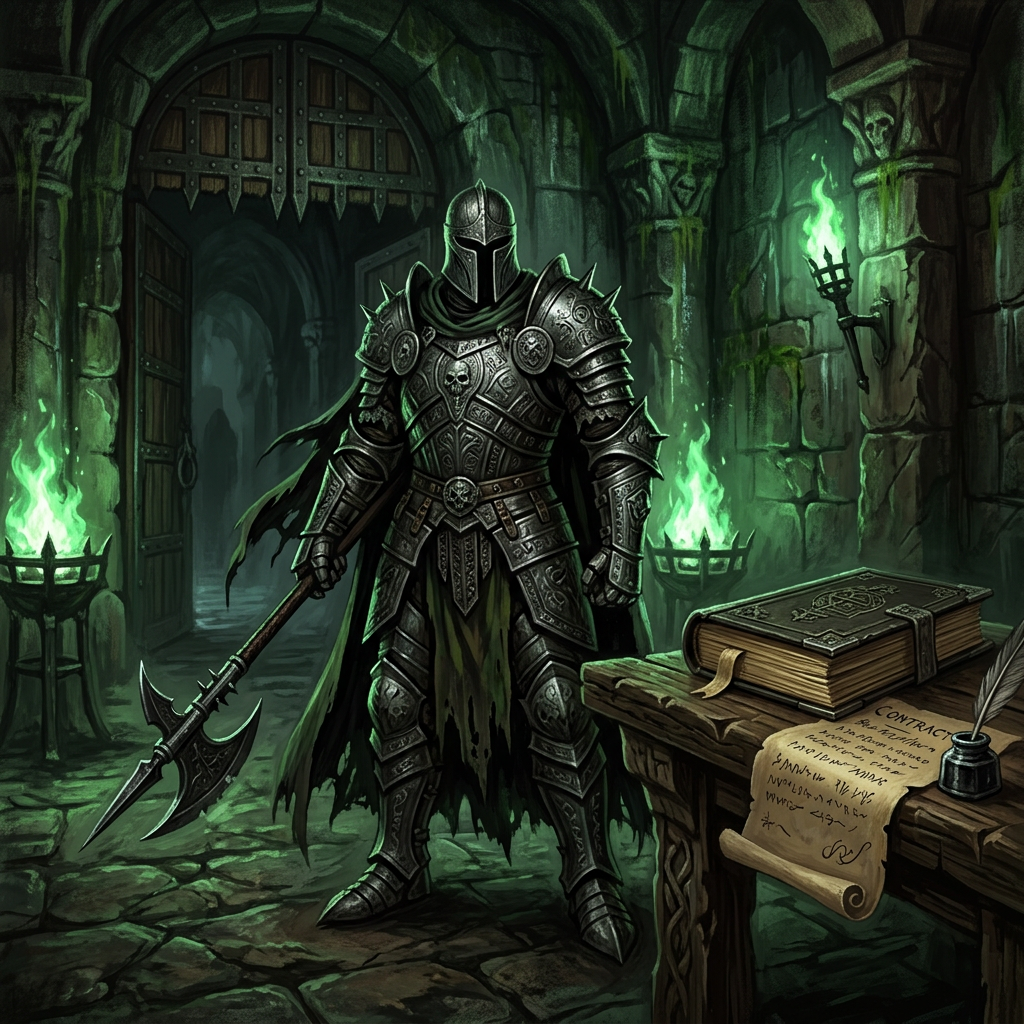
He was tall enough to require the room to make certain adjustments. His armour was black, his face hidden behind a visor without eyeholes, and from his shoulders hung a cloak that appeared to have been woven from extinguished stars. In one gauntleted hand he carried a key. In the other, a ledger whose pages turned of their own accord. “I have come,to remind you that the Compact remains in force.”
“Splendid,” said Demon. “Then we agree on something already.”
The Gatekeeper tilted his helmet. “Agreement is not required. Obedience is.” The Gatekeeper placed his ledger upon the table. It landed with a sound like a coffin being lowered into a grave. “Under the original Compact, you owe me seven years of service, the surrender of one unspoken secret, and the right to claim the first shadow cast by any child born within your jurisdiction.”
Coil produced a scrap of parchment, damp at the edges and singed in one corner. Demon recognised it immediately: the document they had stolen from the kingdom of promises, where every word spoken in earnest acquired a physical existence. “We found this, In the archive beneath the sea of memories. It records the original terms, including the amendments you made when the Ninth Gate was sealed.”
For the first time, the Gatekeeper became entirely still.
Vixen leaned forward. “You accepted our ancestors’ service in exchange for guarding the passage between worlds. But the Ninth Gate is sealed. You no longer perform that duty.”
They negotiated until the green fire burned blue. At last, our heroes proposed a revised Compact.
The shadowrunners would retain the right to travel through the Black Door, provided they neither broke its seals nor carried an uninvited soul across the threshold. In return, they would answer three summons from the Gatekeeper, each summons limited to a single day’s labour. The Gatekeeper would abandon his claim upon their shadows, secrets and years.
The Gatekeeper opened his ledger to a blank page. The parchment shivered beneath his pen.
Demon signed first. Then Vixen, Grip, Hull and Coil.
Finally, the Gatekeeper pressed his gauntlet against the page.
A narrow line of silver fire travelled through the signatures and vanished into the walls. THE COMPACT HAS BEEN AMENDED.
The Gatekeeper closed his ledger. “You have obtained favourable terms, do not mistake that for friendship.” He stepped ards through the door and disappeared.
The Coven smelled of damp wool and scorched incense. Its familiar clutter of spellbooks, empty bottles, and ancient weapons seemed almost indecently comforting. Coil emerged first, followed by Hull, whose boots struck the flagstones with a noise like a dropped safe. Vixen stepped through last, adjusting her hair. The black door shut behind them. For several seconds nobody spoke. Then footsteps sounded.
Demon stood beside the hearth, his lean face illuminated by green flames. Grip occupied the divan, where he was methodically removing splinters from his left hand.
“You’re late,” said Demon. “We took the scenic route,” Coil replied. Grip grunted. “Through where?” “An error.” Hull sat heavily in an armchair. It collapsed, recovered, and collapsed again, apparently uncertain which century it occupied.
Vixen surveyed her companions. “You escaped?”
“Eventually,” said Demon. “We found ourselves in a kingdom where every promise became a physical object. Grip promised to neutralize the pretender “
Grip displayed his wounds. “The pretender was a remarkable bastard.”
“We stole a boat,” Demon continued, “sailed through a sea of memories, and came ashore in a place where shadows were resided. Fortunately, I knew the Way”
Coil nodded appreciatively. “Professional work.”
“Then we followed a talking crow to a door.”
The shadowrunners looked towards the new door in the wall.
It possessed neither handle nor keyhole. Upon its surface, silver letters slowly arranged themselves into a sentence:
THE COMPACT REMAINS IN FORCE.
Hull rose. “I’ll break it.”
“Certainly,” said Coil. “And when it opens into the inside of your skull, do try not to inconvenience us.”
Vixen approached the door, listening. From somewhere beyond came the faint clink of armour.
She smiled.
“Gentlemen, I believe our landlord has arrived.”
Demon poured five drinks.
“Excellent,” he said. “We should discuss the rent.”
And somewhere beyond, something ancient began to laugh.
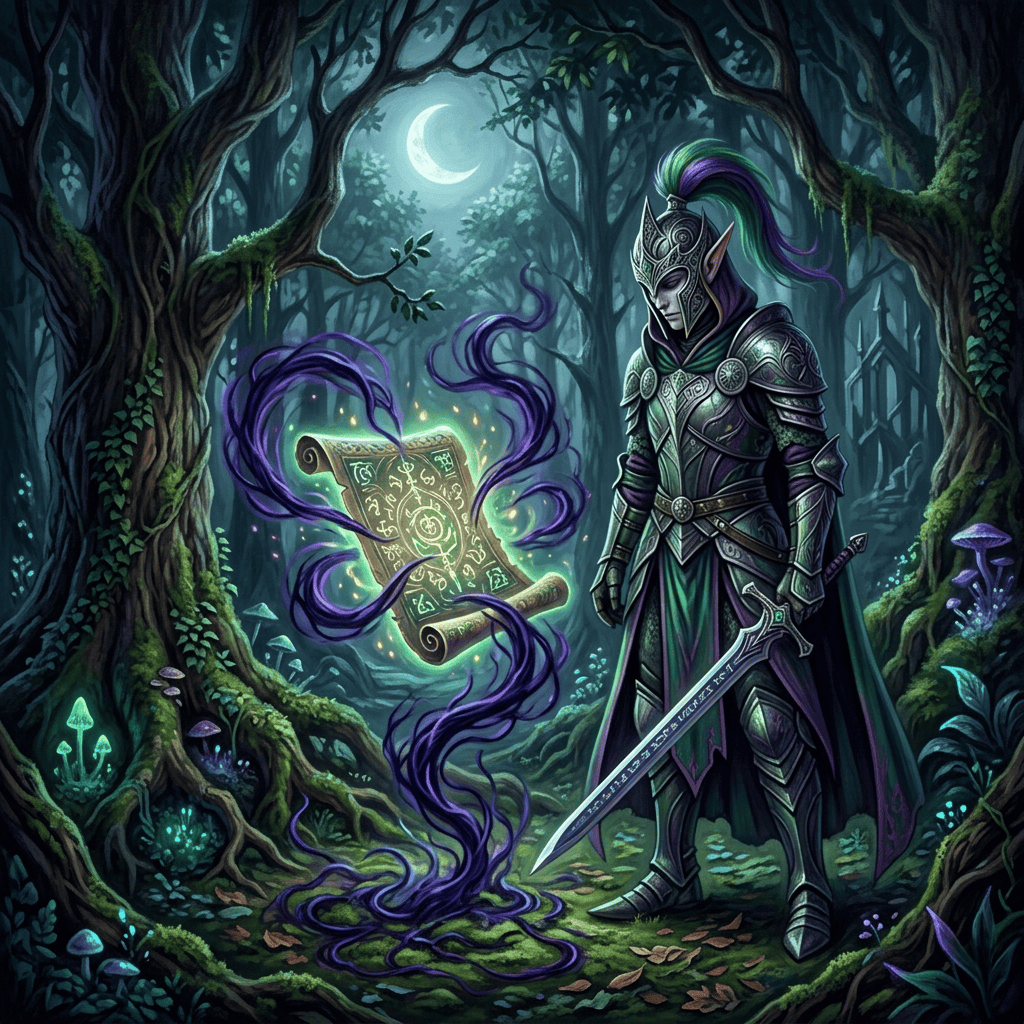
An armored elven guardian stands watch beside a glowing spell scroll in a moonlit enchanted forest.
The Sidhe Knight received the shadowrunners with the air of a magistrate accepting overdue taxes. He raised his gauntleted hand, and the souls, bound in filaments of blue fire, vanished into the fissures of his armour. “Your wishes,” he intoned, “have been granted according to the letter of our compact.”
One demanded a haven beyond the reach of their enemies. The second required a conduit between the Tower and their Coven. The third, who had little patience for metaphysics, merely wanted a door that opened. The Knight inclined his helm. “You have all three.” Then he laughed. It was not a pleasant sound. The Tower shivered, the shattered battlements knitted themselves into unfamiliar geometries, and every window displayed a different sky. The staircases descended into their own beginnings. Doors opened upon rooms where the three shadowrunners stood, pale and bewildered, watching themselves arrive.
Hull kicked a door. It swallowed his boot and returned it three hours older.
Coil, who had made a career of discovering loopholes in contracts, examined the compact. The Sidhe had stipulated that the Tower should be a haven for them, and that the link should join the Tower to their Coven. Nothing had been said about which side of the threshold they might inhabit. “We’ve been comprehensively cheated,” “Cheated?” said the Knight. “You have received precisely what you purchased.”
Vixen smiled. It was the sort of smile that had induced several respectable men to mortgage their estates and one bishop to resign his office. She approached the Knight and whispered an offer involving his freedom, her gratitude, and certain pleasures unknown even to the oldest chronicles.
For a moment, the black visor reflected something resembling interest.
Coil seized the instant. He spoke the Knight’s forgotten name, extracted from stolen scrolls, and Vixen hurled her crystal ball against the floor. The crystal ball shattered. A doorway appeared. Beyond it lay Midgard, rain-soaked and reassuringly vulgar. The shadowrunners plunged through. Behind them, the Black Knight thundered, “You have not escaped! The compact endures!”
The shadowrunners returned to their Coven, finding a new black door stood where the wall had been.
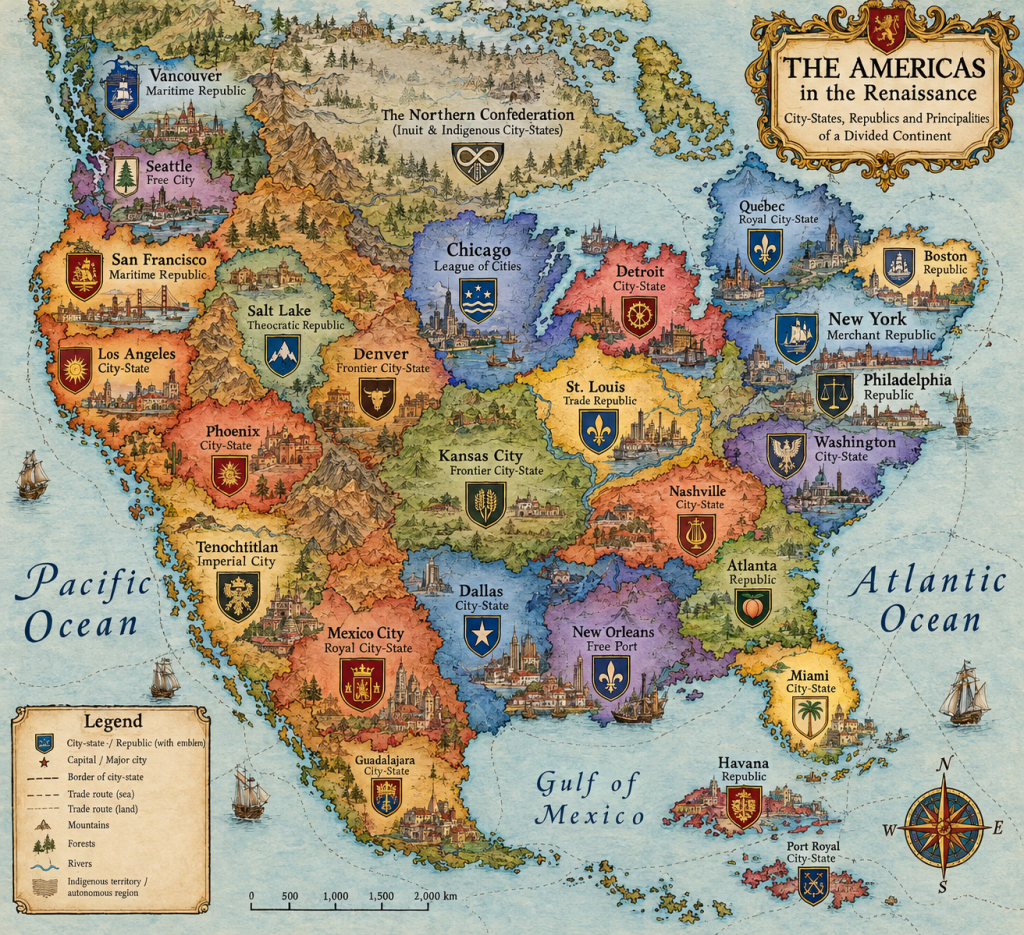
Imagine that America had never become united, but instead had developed like Renaissance Italy: a continent filled with rival city-states, powerful trading republics, principalities, and alliances.
New York, for example, becomes a powerful trading republic on the Atlantic coast, Chicago controls trade across the Great Lakes, and San Francisco emerges as a wealthy maritime city-state on the Pacific coast.
The political landscape might look something like this:
New York — a North American Venice, wealthy thanks to maritime trade, bankers, and diplomacy.
Boston — a republic of merchants, shipbuilders, and scholars.
Chicago — a strategic trading power controlling the connections between the Great Lakes and the interior.
San Francisco — a maritime republic with trade routes across the Pacific.
New Orleans — an important river city-state controlling access to the Mississippi.
Mexico City — a powerful southern empire with its own political and cultural traditions.
Just as in Renaissance Italy, these states would constantly form alliances, wage wars, hire mercenaries, and compete for control of trade routes. Smaller cities might sometimes become particularly powerful by controlling a mountain pass, a river mouth, or an important harbor.
The fascinating consequence: the United States would not exist as a single country. Instead, the continent would resemble an American patchwork of Florence, Venice, Genoa, and Milan, alongside larger kingdoms and Indigenous states pursuing their own struggles for power.
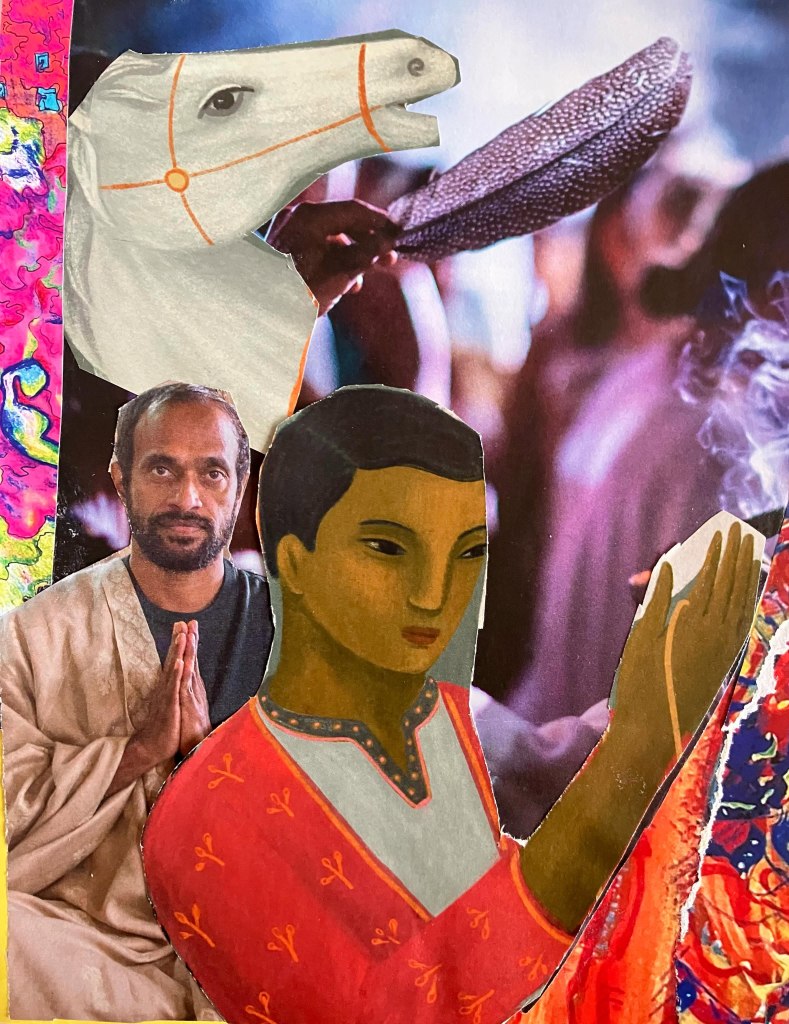
Op een avond waarop de stad langzaam tot rust komt, verzamelen de Sibylles van de Staatsliedenbuurt zich. Ze komen niet uit één traditie, maar uit vele werelden. Iedereen brengt iets mee: een gebed, een lied, een symbool, een beweging, een verhaal dat al generaties lang wordt doorgegeven.
In het midden staat een paard, wit als een leeg vel papier. Het kijkt niet naar het verleden, maar naar wat nog moet komen. Zijn open mond lijkt een boodschap te bewaren.
De eerste Sibylle steekt haar handen omhoog. Ze luistert naar de wind. Een tweede beweegt langzaam, alsof ze water tussen haar vingers voelt stromen. Een derde sluit haar ogen en spreekt woorden die niemand helemaal begrijpt, maar die toch vertrouwd klinken. Rondom hen klinkt muziek uit verre landen. Er wordt gebeden, gezongen, gemediteerd en gedanst.
Dan verschijnt er een visioen.
De Sibylles zien de Staatsliedenbuurt over honderd jaar. De straten zijn groener. Huizen zijn verbonden met tuinen en pleinen. Mensen van verschillende leeftijden, afkomst, overtuigingen en sociale werelden ontmoeten elkaar. Niemand hoeft zijn eigen traditie achter te laten om deel te worden van de gemeenschap.
De Sibylles zien ook de Nassaukerk. Tweehonderd jaar oud, maar nog altijd een plek waar mensen samenkomen. Niet alleen voor één geloof, maar voor ontmoeting, bezinning, ritueel, kunst en gesprek.
Een van hen vraagt: *“Wat zal er gebeuren?”* De oudste Sibylle glimlacht. *“Wij voorspellen geen toekomst. Wij luisteren ernaar.”*
Het paard heft zijn hoofd. De wereld wordt stil.
Dan spreekt de Sibylle haar laatste woorden:
**“De toekomst verschijnt daar waar mensen elkaar werkelijk zien.”**
En langzaam gaan de Sibylles uiteen, terug naar hun huizen, hun rituelen en hun dromen — met de toekomst als een nog onbeschreven verhaal.
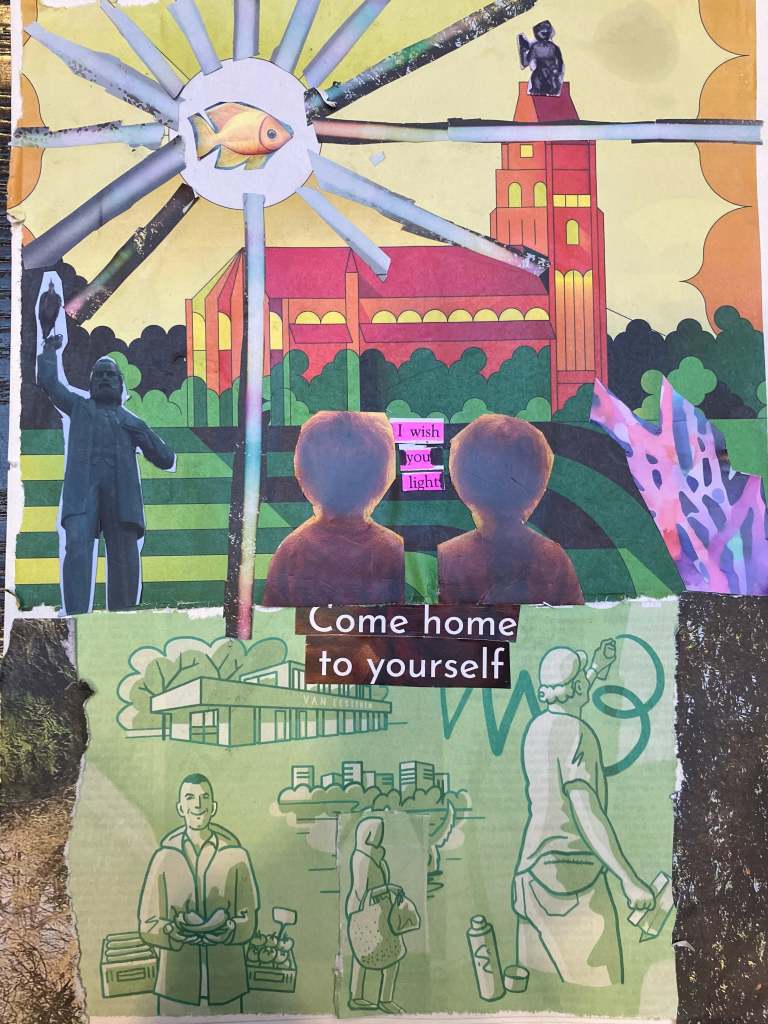
Het is het jaar 2126. Ik loop door de Staatsliedenbuurt en herken tegelijk veel en weinig. De straten zijn groener geworden. Tussen de huizen groeien bomen, geveltuinen en kleine moestuinen. Kinderen spelen waar vroeger auto’s stonden. Op pleinen ontmoeten mensen elkaar, zitten ouderen in de zon en is ruimte voor stilte, beweging en gesprek.
Boven alles rijst de Nassaukerk. Tweehonderd jaar oud, maar nog altijd levend. De toren is vertrouwd herkenningspunt en de kerk is opnieuw een hoopgevend ankerpunt voor de buurt. De deuren staan open. Hier komen mensen samen die van verschillende werelden afkomstig zijn: geboren in Amsterdam of elders, met uiteenlopende culturele tradities, spiritualiteiten, overtuigingen en levensverhalen. Ook verschillen in inkomen of sociale positie vormen geen reden om elkaar buiten te sluiten.
In de kerk is plaats voor een buurtmaaltijd, een stiltekring, muziek, lezingen en gesprekken over wat mensen bezighoudt. Er worden taallessen gegeven, kinderen maken er kunst en jongeren ontmoeten ouderen. Soms is er een viering, soms een debat, soms gewoon koffie aan een lange tafel. Niemand hoeft hetzelfde te geloven om zich hier thuis te voelen.
Buiten gaat het verhaal verder. De markt brengt geuren en smaken uit vele landen samen. Mensen delen kennis over koken, tuinieren, zorg en duurzaamheid. Een buur helpt een andere buur met een boodschap; een kind leert van een oudere hoe je planten verzorgt. De wijk ademt samen.
En ergens tussen al die ontmoetingen zwemt een kleine vis in een zon van licht. Een eenvoudig beeld, maar ook een herinnering: blijf kijken, blijf dromen.
Want een wijk wordt niet alleen gebouwd met stenen. Zij wordt gemaakt door mensen die naar elkaar omzien.
Zo hoop ik dat West over honderd jaar voelt: als een plek waar je kunt thuiskomen, bij jezelf én bij elkaar.
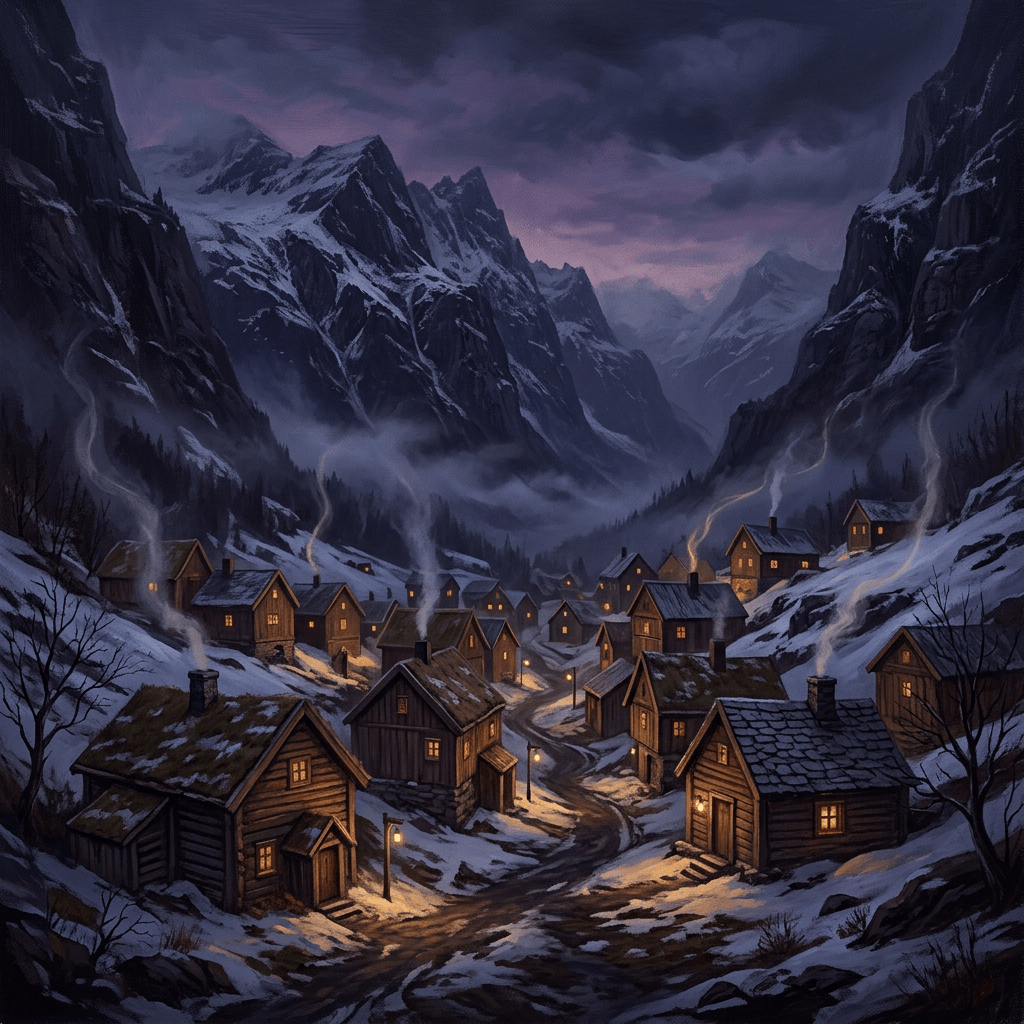
Warm lights glow from a quiet alpine village beneath towering, snow-covered peaks.
Ik was in een Scandinavisch bergdorp waar de huizen dicht tegen de hellingen waren gebouwd, alsof ze bang waren om naar beneden te vallen. Het was er altijd schemerig. Zelfs overdag hing er een blauwgrijze stilte tussen de besneeuwde daken.
De bewoners zongen. Overal werd gezongen. In de bakkerij, op straat, achter beslagen ramen. Ze zongen uit een oud liedboek dat iedereen bezat, maar niemand ooit leek open te slaan. De woorden kenden ze uit het hoofd.
Volgens hen voorspelden de liederen wat nog moest gebeuren. Niet zomaar kleine gebeurtenissen, maar zaken over koningen, prinsen en andere mensen wier namen in kranten stonden. Wanneer er iets bijzonders gebeurde, knikten ze alleen maar. ‘Zie je wel,’ zeiden ze. ‘Het stond in het lied.’
Ik geloofde hen niet. ‘Achteraf kun je in ieder oud lied wel een voorspelling vinden,’ zei ik.
Ze keken me aan alsof ik iets had gezegd wat niet gezongen mocht worden.
Toen verdween er een kind. Het was een kind uit het dorp, een jongen of een meisje — ik weet het niet meer. Misschien wist niemand dat eigenlijk. Er werd gefluisterd dat het was meegenomen. Ontvoerd. De politie kwam, maar de sneeuw leek alle sporen op te eten.
Dagenlang zongen de bewoners zachter.
Op een ochtend kwamen twee vrouwen naar me toe. Ze droegen lange donkere jassen en hielden hetzelfde oude liedboek tussen zich in. Ze glimlachten niet. Ze begonnen te zingen.
Ik verstond eerst niets van de woorden. Toen hoorde ik mijn eigen naam.
De vrouwen zongen dat zij hadden gezien hoe het kind werd weggevoerd. Naakt, zeiden ze, achter in een auto. De auto reed langzaam de berg af, terwijl de sneeuw eromheen omhoog dwarrelde alsof de weg onder water lag.
Ik wilde vragen wanneer ze dat hadden gezien.
Maar toen sloeg een van de vrouwen het liedboek dicht. ‘Het stond er al,’ zei ze.
En plotseling wist ik niet meer of het kind was verdwenen vóórdat zij begonnen te zingen, of pas daarna.
—–
Het orakel zegt:
De berg staat voor een plaats waar het gewone zicht tekortschiet. Je bent hoog boven het alledaagse, maar juist daardoor is niet alles beter zichtbaar. Het dorp is een afgesloten wereld met zijn eigen wetten en zijn eigen waarheid.
Het liedboek is het geheugen van die wereld. Wat erin staat, wordt niet alleen herinnerd, maar ook werkelijkheid. De bewoners geloven niet dat zij de toekomst voorspellen; door het lied te zingen lijken ze de toekomst telkens opnieuw te herkennen — of misschien zelfs op te roepen.
Jouw uitspraak ‘achteraf kun je in ieder oud lied wel een voorspelling vinden’ is belangrijk. Jij weigert de autoriteit van het orakel. Je zegt eigenlijk: betekenis ontstaat pas nadat iets is gebeurd.
Daarna verdwijnt het kind.
Het kind kan in een orakel een nog niet verwezenlijkte mogelijkheid betekenen: iets kwetsbaars, iets nieuws, iets dat nog geen vaste vorm heeft. Dat het kind wordt ontvoerd, suggereert dat iets uit de vertrouwde wereld wordt weggenomen zonder dat je kunt ingrijpen.
Dan verschijnen de twee vrouwen. Zij zijn geen gewone getuigen. Ze functioneren als de stemmen van het orakel. Opvallend is dat ze niet vertellen wat ze hebben gezien, maar zingen wat ze hebben gezien. Daarmee verdwijnt het onderscheid tussen waarneming en voorspelling.
Het meest duistere teken is dat het kind naakt wordt afgevoerd. Naaktheid betekent hier niet noodzakelijk seksualiteit, maar totale weerloosheid: het kind heeft niets meer waarmee het zich kan beschermen of waarmee het zichzelf kan definiëren.
En dan komt de sleutelzin: ‘Het stond er al.’
Daarmee keert jouw eigen twijfel zich tegen je. Eerst dacht je dat gebeurtenissen achteraf betekenis krijgen. Nu lijkt het lied te zeggen dat de gebeurtenis altijd al geschreven was.
Het slot — dat je niet meer weet of het kind eerst verdween of pas na het zingen — maakt het orakel compleet.
De droom vraagt niet: ‘Wat gaat er gebeuren?’
Hij vraagt iets verontrustenders: Als je eenmaal een voorspelling hebt gehoord, kun je dan nog onderscheiden wat voorspeld werd van wat daardoor werkelijkheid werd?
—
Jungiaanse duiding:
1. Het bergdorp — de afgesloten psyche
Een dorp hoog in de Scandinavische bergen kan worden gelezen als een afgesloten psychisch landschap. De berg staat bij Jung vaak voor een plaats van transformatie: hoog boven het gewone bewustzijn, maar ook geïsoleerd.
Je bent er te gast. Dat is belangrijk. Je bevindt je in een psychische wereld die niet helemaal de jouwe lijkt te zijn. De bewoners kennen de regels ervan, jij niet.
Het kan wijzen op een ontmoeting met iets in jezelf dat je bewustzijn wel kan waarnemen, maar nog niet volledig begrijpt.
2. Het liedboek — het collectieve onbewuste
Het traditionele liedboek is misschien het sterkste Jungiaanse symbool.
De liederen behoren niet aan één persoon toe. Ze zijn oud, worden door iedereen gekend en worden steeds opnieuw gezongen. Dat doet denken aan Jungs collectieve onbewuste: psychische patronen die ouder en groter zijn dan het individuele ego.
De dorpelingen vertrouwen erop dat de liederen gebeurtenissen voorspellen. Jij doet dat niet.
Je uitspraak dat je achteraf overal een voorspelling in kunt vinden, vertegenwoordigt waarschijnlijk je ego, dat betekenis eerst wil controleren voordat het haar accepteert.
3. Het kind — het kwetsbare nieuwe zelf
Het verdwenen kind is Jungiaans bijzonder interessant.
Het archetype van het goddelijke kind vertegenwoordigt vaak iets dat nog niet ontwikkeld is, maar een nieuwe psychische mogelijkheid in zich draagt: vernieuwing, spontaniteit, toekomst, een nog ongevormd aspect van het Zelf.
Dat het kind wordt ontvoerd, kan daarom symbolisch betekenen dat iets potentieel belangrijks uit het bewustzijn wordt weggenomen.
Je weet bovendien niet precies wat er met het kind is gebeurd.
Dat past bij iets wat zich in het onbewuste afspeelt: je weet dat er iets ontbreekt, maar je kunt het niet benoemen.
4. De twee vrouwen — anima en boodschappers
De twee vrouwen kunnen worden gezien als figuren uit het anima-gebied: vrouwelijke gestalten die de mannelijke psyche verbinden met het onbewuste, gevoel, eerder tot priesteressen of orakelachtige boodschappers. Ze brengenintuïtie en verbeelding.
Maar ze zijn geen zachte of geruststellende figuren.
Ze zingen.
Dat maakt hen eerder tot priesteressen of orakelachtige boodschappers. Ze brengen kennis uit een gebied waar je rationele ego geen directe toegang toe heeft.
Dat het er twee zijn, kan bovendien wijzen op een innerlijke polariteit: twee stemmen, twee mogelijkheden, twee manieren waarop de psyche naar dezelfde werkelijkheid kijkt.
5. Het naakte kind — totale kwetsbaarheid
Dat de vrouwen zingen dat het kind naakt wordt afgevoerd, versterkt de betekenis.
Het kind is ontdaan van alles wat bescherming biedt. Het is volledig blootgesteld.
Jungiaans zou je kunnen zeggen: een kwetsbaar, authentiek psychisch element wordt geconfronteerd met een wereld waarin het ego geen controle meer heeft.
De auto is daarbij interessant: een voertuig dat zich door een bepaalde richting laat bewegen. Het kind zit erin, maar bestuurt het niet.
Dat kan staan voor het gevoel dat iets in je leven of psyche een richting op gaat die je niet zelf bepaalt.
6. Het belangrijkste moment: “Het stond er al”
Hier wordt de droom bijna metafysisch.
Eerst zeg jij: “Achteraf kun je overal betekenis in vinden.”
Daarna antwoordt de psyche: “Het stond er al.”
Dat is precies het soort paradox dat Jung interessant zou vinden. Je rationele ego probeert betekenis achteraf te construeren, terwijl het onbewuste lijkt te zeggen dat er diepere patronen bestaan voordat het bewustzijn ze herkent.
Dit betekent niet noodzakelijk dat de droom letterlijk voorspelt wat er gaat gebeuren. Jung zou waarschijnlijk eerder spreken over synchroniciteit: momenten waarop een innerlijke psychische toestand en een uiterlijke gebeurtenis betekenisvol samenvallen zonder dat er een eenvoudige causale verklaring voor is.
7. Het meest Jungiaanse element: de tijd verdwijnt
Je weet uiteindelijk niet meer:
verdween het kind eerst, waarna het lied de gebeurtenis beschreef — of veroorzaakte het lied als het ware de gebeurtenis?
Daarmee wordt de lineaire tijd van het ego doorbroken.
Dat kan gelezen worden als een ontmoeting met het Zelf: een psychische totaliteit die groter is dan het bewuste ik en waarin verleden, heden en toekomst niet op dezelfde manier worden ervaren als onbewuste maakt de abstracte discussie vervolgens concreet en persoonlijk door het rationele bewustzijn.
De droom zegt dus misschien niet: “Dit gaat gebeuren.”
Maar eerder: “Je probeert de werkelijkheid te begrijpen alsof jij haar betekenis achteraf kunt vaststellen. Er bestaat echter een deel van je psyche dat betekenis niet achteraf maakt, maar haar vooraf aanvoelt.”
En juist omdat jij dat aanvankelijk afwijst, moet de droom het kind laten verdwijnen. Het onbewuste maakt de abstracte discussie vervolgens concreet en persoonlijk.
De kern van de droom
Je bewuste ik ontmoet een ouder, intuïtiever deel van de psyche dat beweert dat de betekenis van gebeurtenissen niet uitsluitend door het bewustzijn wordt gemaakt — en het verdwenen kind vertegenwoordigt iets nieuws en kwetsbaars dat verloren dreigt te gaan wanneer je uitsluitend vertrouwt op rationele controle.
Het zou daarom interessant zijn om niet alleen te vragen “Wat voorspelt deze droom?”, maar vooral:
“Wat is er in mijn eigen leven ‘verdwenen’ of naar de achtergrond geraakt, terwijl een ander deel van mij allang lijkt te weten wat het betekent?”
Verdere analyse:
Het verdwenen kind is een deel van jou dat spontaan, intuïtief en onbevangen is — een mogelijkheid die er al was voordat je rationele bewustzijn er betekenis aan gaf.
Je rationele houding in de droom zegt: achteraf kun je alles passend maken. Dat is het ego dat controle wil houden over betekenis. Maar vervolgens verschijnt het kind, en precies datgene waar je rationele bewustzijn geen toegang toe heeft, wordt weggenomen.
Je bent misschien iets kwijtgeraakt wat je niet bewust hebt besloten op te geven: vertrouwen in je eigen intuïtie.
Het interessante is dat de droom je intuïtie niet presenteert als een helder innerlijk stemmetje. Ze komt vermomd als een oud lied dat iedereen kent. Dat suggereert dat het om iets diepers gaat dan een gewone ingeving: een manier van weten die je verstand niet helemaal kan uitleggen.
De twee vrouwen zeggen bovendien niet: “Dit zal gebeuren.” Ze zeggen: “We hebben het gezien.” En daarna: “Het stond er al.”
Dat kan betekenen dat je psyche je confronteert met een ongemakkelijke vraag:
Hoe vaak weet je ergens al iets van, maar verklaar je dat weten weg omdat je er rationeel geen bewijs voor hebt?
Het kind is dan niet alleen iets wat verloren is gegaan. Het kan ook staan voor iets dat nog geboren moet worden: een creatief idee, een verlangen, een andere manier van leven, een intuïtieve keuze, een authentieker deel van jezelf.
En dat maakt het slot van de droom extra sterk. Je weet niet of het kind verdwenen was vóór het lied of dóór het lied.
Dit is een oproep om niet langer uitsluitend te vragen: “Wat is waar?”
maar ook: “Wat probeert mijn psyche mij al te vertellen voordat ik het rationeel kan bewijzen?”
“Je weet al dat er iets in je leven niet klopt, of dat een bepaalde ontwikkeling zich aandient, maar je vertrouwt je eigen innerlijke weten nog onvoldoende.”
Het verdwenen kind maakt dat specifieker. Het kan zeggen:
“Er is iets kwetsbaars en wezenlijks in jou dat je te lang hebt ondergeschikt gemaakt aan verstand, bewijs en controle.”
De droom lijkt je vervolgens te waarschuwen dat achteraf verklaren niet hetzelfde is als vooraf aanvoelen. Jij zegt in de droom dat de dorpelingen hun voorspellingen achteraf passend maken. De droom laat je daarna zelf ervaren hoe het is wanneer een betekenis er al lijkt te zijn vóórdat je haar begrijpt.
Vertrouw niet blind op je intuïtie, maar negeer haar ook niet alleen omdat je haar niet kunt bewijzen. Er is iets wat je al weet. Je taak is uitzoeken wat dat precies is.
Na mijn geboorte van Naarden naar Amsterdam: We woonden begane grond: een speeltje van buurtkind valt in de achtertuin.
…intermezzo van 7 jaar…
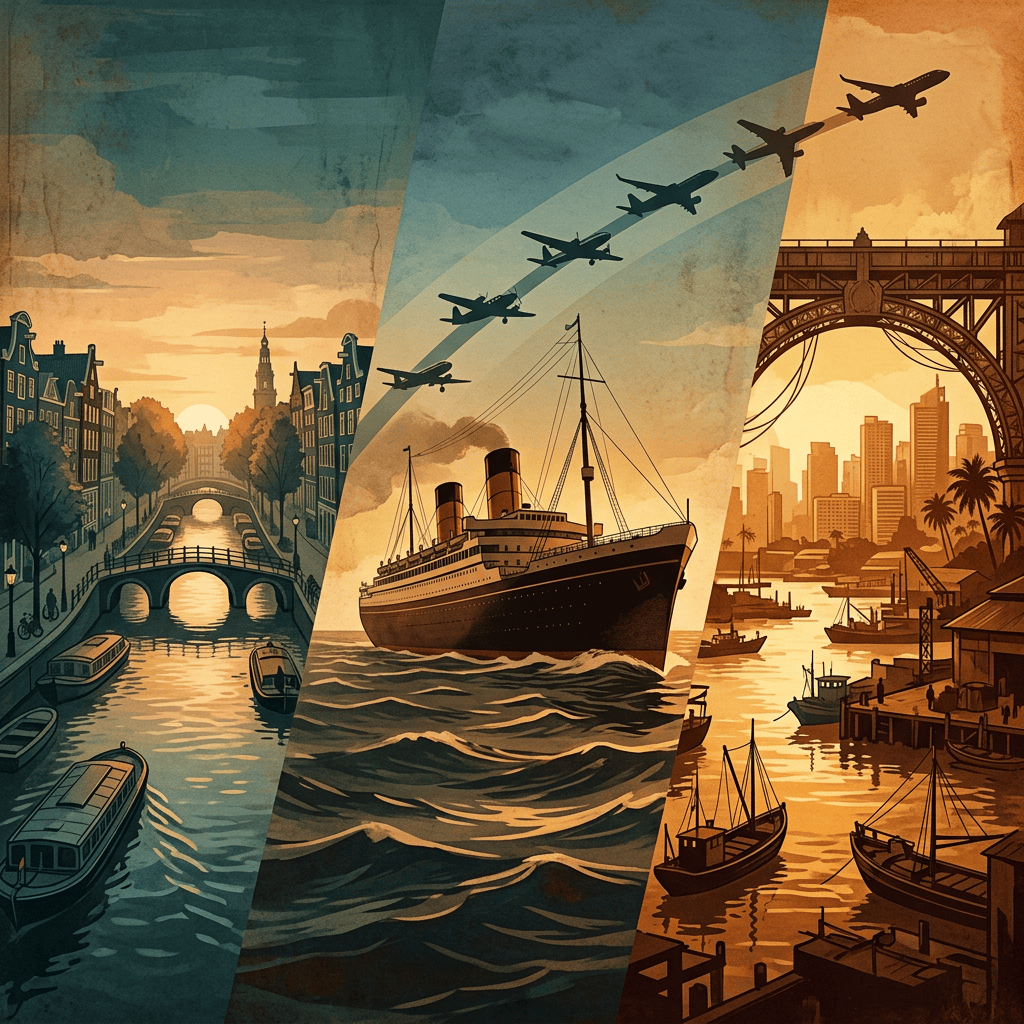
Met de boot naar Djakarta, wat is het hier vies!
Met vliegtuig terug naar Amsterdam, wat is het hier koud!
Opnieuw ben ik een vreemdeling in een vreemd land.
…intermezzo: Oegstgeest, Nijmegen, chaotische studententijd… Krakersrellen, tanks in de straten, flashback van coup 1965.
Definitief terug naar Amsterdam voor intensieve opleidingsperiode gongfu. Zang, dans, optredens.
Vertrouwensbreuk van mijn leraar, ik stap er uit.
Een nieuw begin: Verliefd, verloofd, getrouwd, eerste kind, eerste vaste baan…wel heel veel tegelijk.
De eerste paar jaar druk met huisje-boompje beestje, later ruimte voor eigen persoonlijke ontwikkeling, een magische tijd.
Ontmoeting met tweelingziel, ik was nog nooit zo hartstochtelijk geweest.
Opnieuw zelfstandig wonen, mijn definitieve vaste baan gevonden in maatschappelijke opvang. Gezien hoe makkelijk het is om af te glijden van grachtenpand naar de straat.
Dankzij tuinieren kan ik contact maken met de grond van dit land.
Voor het eerst kan ik me wortelen in dit land.
Lockdown! Oude banden breken in deze dorre tijd. Wandelingen in de stadsnatuur helpen me er doorheen.
Met mijn lief verhuist naar een ruimere woning in een bruisend stadsdeel, een nieuwe wereld gaat open voor mij.
Met pensioen terugkijken op herinneringen, al die fragmenten vormen het mozaiek voor de lapjesdeken die als een mantel om me heen past. Ik ben trots op mijn Amazing Technicolor Dreamcoat!
























You must be logged in to post a comment.