Tag: god

gott steht in der gottesgemeinde

gott steht in der gottesgemeinde


gott steht in der gottesgemeinde
im ring des gottwesens haelt er gericht:
biss wann wollt ihr richten falsch
das anlitz des frevler erheben?
fuer die schwachen und weisen, richtet,
bewahrheitet den gebeugten,
die armen, schwachen, dürftigen, lasset entrinnen.
rettet aus der hand der frevler
sie erkennen’s nicht,
haben’s nicht acht,
in verfinsterung gehen sie umher.
alle gruenden des Erdreich wanken
welbe ich hatte gesprochen
goetter seit ihr,
soehne des hoechsten ihr alle,
aber wie menschen musset ihr sterben
wie irgendeiner der fuersten fallen.
erhebe dich gott
richtet das erdreich
der du bisst
der zu eigen hatt
die weltstaemme alle


Martin Buber & Franz Rosenzweig, PS 82

Openbaringen van God

Openbaringen van God


Sporen van God zijn wellicht te vinden in de Joods-Christelijke bijbel, de Islamitische Koran, de Hindu-Veda, kortom alle ‘Heilige Boeken’.

De ‘Heilige Boeken’ ontstonden uit ‘waarnemingen’ van feilbare mensen die ‘iets’ hebben opgevangen via vizioenen, stemmen, etc.; vervolgens zijn de waarnemingen oraal doorgegeven en later opgetekend, om tenslotte na eeuwenlang redactiewerk van mensen gestandariseerd te worden, waarna er een neiging ontstond om het standaardwerk als enige waarheid te benoemen.

Als God iets te communiceren heeft naar de mens, dan lijkt het mij onwaarschijnlijk dat Hij/Zij buiten de officieel goedgekeurde ‘Heilige Boeken’ niet meer zou communiceren/manifesteren.

Verder lijkt het mij onwaarschijnlijk dat er slechts 1 enkel boek de enige waarheid zou bevatten.
Hoe kan je iets alomvattends bevatten in een beperkt boek, geschreven door beperkte mensen?

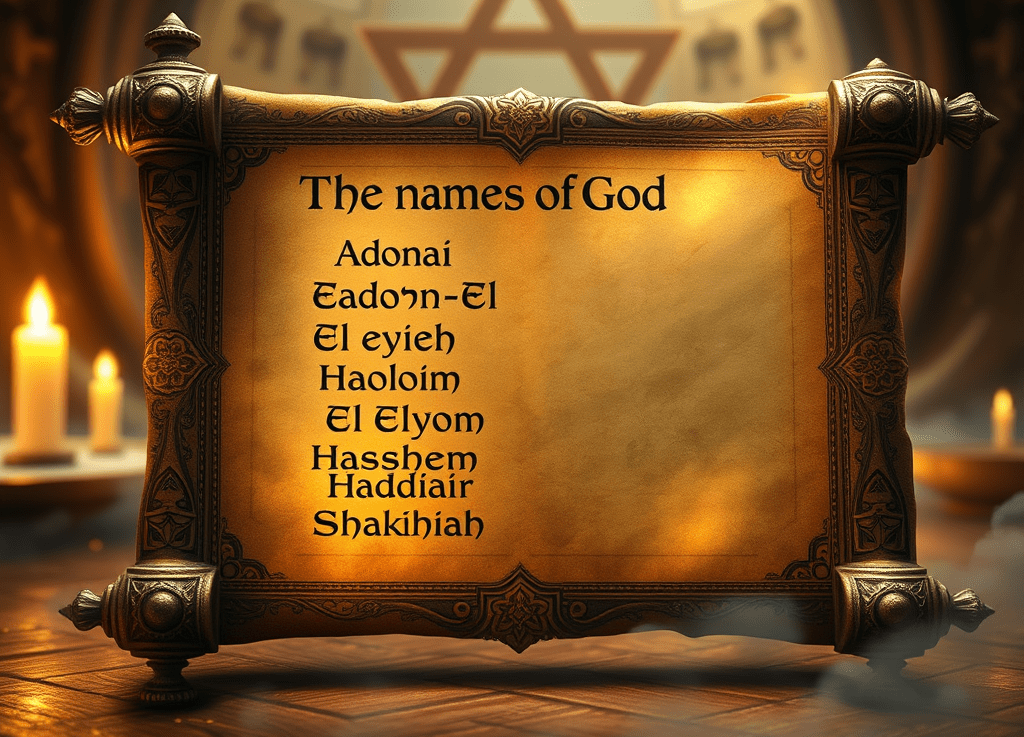
Namen van god in de joodse traditie

Namen van god in de joodse traditie


Tetragrammaton:YHVH, onuitspreekbaar en geheim gehouden tot heden.
Adonai: lett. ‘mijne heren’ (enkelv. adoni, mijn heer)
Ehyeh-Asher-Ehyeh: ik ben die ik ben, ik zal zijn die ik zal zijn
El: in het semitisch taalgebied de term voor schepper en oppergod
Elohim: goden
El Elyon: allerhoogste god
Hashem/Hadavar: de naam/het woord (word gebruikt ter vervanging van het uitspreken van de Tetragrammaton buiten rituele context)
Shaddai: vernietiger, bergbewoner, wachter van de poort
Shekhinah: (vrouwelijke) verschijningsvorm van god
Yah: afkorting van YH

Gilgamesh & the Flood

Gilgamesh & the Flood


Gilgamesh spoke to Utanapishtim, the Faraway:
“I have been looking at you,
but your appearance is not strange–you are like me!
You yourself are not different–you are like me!
My mind was resolved to fight with you,
(but instead?) my arm lies useless over you.
Tell me, how is it that you stand in the Assembly of the Gods,
and have found life!”
Utanapishtim spoke to Gilgamesh, saying:
“I will reveal to you, Gilgamesh, a thing that is hidden,
a secret of the gods I will tell you!
Shuruppak, a city that you surely know,
situated on the banks of the Euphrates,
that city was very old, and there were gods inside it.
The hearts of the Great Gods moved them to inflict the Flood.
Their Father Anu uttered the oath (of secrecy),
Valiant Enlil was their Adviser,
Ninurta was their Chamberlain,
Ennugi was their Minister of Canals.
Ea, the Clever Prince(?), was under oath with them
so he repeated their talk to the reed house:
‘Reed house, reed house! Wall, wall!
O man of Shuruppak, son of Ubartutu:
Tear down the house and build a boat!
Abandon wealth and seek living beings!
Spurn possessions and keep alive living beings!
Make all living beings go up into the boat.
The boat which you are to build,
its dimensions must measure equal to each other:
its length must correspond to its width.
Roof it over like the Apsu.
I understood and spoke to my lord, Ea:
‘My lord, thus is the command which you have uttered
I will heed and will do it.
But what shall I answer the city, the populace, and the
Elders!’
Ea spoke, commanding me, his servant:
‘You, well then, this is what you must say to them:
“It appears that Enlil is rejecting me
so I cannot reside in your city (?),
nor set foot on Enlil’s earth.
I will go down to the Apsu to live with my lord, Ea,
and upon you he will rain down abundance,
a profusion of fowl, myriad(!) fishes.
He will bring to you a harvest of wealth,
in the morning he will let loaves of bread shower down,
and in the evening a rain of wheat!”‘
Just as dawn began to glow
the land assembled around me-
the carpenter carried his hatchet,
the reed worker carried his (flattening) stone,
… the men …
The child carried the pitch,
the weak brought whatever else was needed.
On the fifth day I laid out her exterior.
It was a field in area,
its walls were each 10 times 12 cubits in height,
the sides of its top were of equal length, 10 times It cubits each.
I laid out its (interior) structure and drew a picture of it (?).
I provided it with six decks,
thus dividing it into seven (levels).
The inside of it I divided into nine (compartments).
I drove plugs (to keep out) water in its middle part.
I saw to the punting poles and laid in what was necessary.
Three times 3,600 (units) of raw bitumen I poured into the
bitumen kiln,
three times 3,600 (units of) pitch …into it,
there were three times 3,600 porters of casks who carried (vege-
table) oil,
apart from the 3,600 (units of) oil which they consumed (!)
and two times 3,600 (units of) oil which the boatman stored
away.
I butchered oxen for the meat(!),
and day upon day I slaughtered sheep.
I gave the workmen(?) ale, beer, oil, and wine, as if it were
river water,
so they could make a party like the New Year’s Festival.
… and I set my hand to the oiling(!).
The boat was finished by sunset.
The launching was very difficult.
They had to keep carrying a runway of poles front to back,
until two-thirds of it had gone into the water(?).
Whatever I had I loaded on it:
whatever silver I had I loaded on it,
whatever gold I had I loaded on it.
All the living beings that I had I loaded on it,
I had all my kith and kin go up into the boat,
all the beasts and animals of the field and the craftsmen I
had go up.
Shamash had set a stated time:
‘In the morning I will let loaves of bread shower down,
and in the evening a rain of wheat!
Go inside the boat, seal the entry!’
That stated time had arrived.
In the morning he let loaves of bread shower down,
and in the evening a rain of wheat.
I watched the appearance of the weather–
the weather was frightful to behold!
I went into the boat and sealed the entry.
For the caulking of the boat, to Puzuramurri, the boatman,
I gave the palace together with its contents.
Just as dawn began to glow
there arose from the horizon a black cloud.
Adad rumbled inside of it,
before him went Shullat and Hanish,
heralds going over mountain and land.
Erragal pulled out the mooring poles,
forth went Ninurta and made the dikes overflow.
The Anunnaki lifted up the torches,
setting the land ablaze with their flare.
Stunned shock over Adad’s deeds overtook the heavens,
and turned to blackness all that had been light.
The… land shattered like a… pot.
All day long the South Wind blew …,
blowing fast, submerging the mountain in water,
overwhelming the people like an attack.
No one could see his fellow,
they could not recognize each other in the torrent.
The gods were frightened by the Flood,
and retreated, ascending to the heaven of Anu.
The gods were cowering like dogs, crouching by the outer wall.
Ishtar shrieked like a woman in childbirth,
the sweet-voiced Mistress of the Gods wailed:
‘The olden days have alas turned to clay,
because I said evil things in the Assembly of the Gods!
How could I say evil things in the Assembly of the Gods,
ordering a catastrophe to destroy my people!!
No sooner have I given birth to my dear people
than they fill the sea like so many fish!’
The gods–those of the Anunnaki–were weeping with her,
the gods humbly sat weeping, sobbing with grief(?),
their lips burning, parched with thirst.
Six days and seven nights
came the wind and flood, the storm flattening the land.
When the seventh day arrived, the storm was pounding,
the flood was a war–struggling with itself like a woman
writhing (in labor).
The sea calmed, fell still, the whirlwind (and) flood stopped up.
I looked around all day long–quiet had set in
and all the human beings had turned to clay!
The terrain was as flat as a roof.
I opened a vent and fresh air (daylight!) fell upon the side of
my nose.
I fell to my knees and sat weeping,
tears streaming down the side of my nose.
I looked around for coastlines in the expanse of the sea,
and at twelve leagues there emerged a region (of land).
On Mt. Nimush the boat lodged firm,
Mt. Nimush held the boat, allowing no sway.
One day and a second Mt. Nimush held the boat, allowing
no sway.
A third day, a fourth, Mt. Nimush held the boat, allowing
no sway.
A fifth day, a sixth, Mt. Nimush held the boat, allowing
no sway.
When a seventh day arrived
I sent forth a dove and released it.
The dove went off, but came back to me;
no perch was visible so it circled back to me.
I sent forth a swallow and released it.
The swallow went off, but came back to me;
no perch was visible so it circled back to me.
I sent forth a raven and released it.
The raven went off, and saw the waters slither back.
It eats, it scratches, it bobs, but does not circle back to me.
Then I sent out everything in all directions and sacrificed
(a sheep).
I offered incense in front of the mountain-ziggurat.
Seven and seven cult vessels I put in place,
and (into the fire) underneath (or: into their bowls) I poured
reeds, cedar, and myrtle.
The gods smelled the savor,
the gods smelled the sweet savor,
and collected like flies over a (sheep) sacrifice.
Just then Beletili arrived.
She lifted up the large flies (beads) which Anu had made for
his enjoyment(!):
‘You gods, as surely as I shall not forget this lapis lazuli
around my neck,
may I be mindful of these days, and never forget them!
The gods may come to the incense offering,
but Enlil may not come to the incense offering,
because without considering he brought about the Flood
and consigned my people to annihilation.’
Just then Enlil arrived.
He saw the boat and became furious,
he was filled with rage at the Igigi gods:
‘Where did a living being escape?
No man was to survive the annihilation!’
Ninurta spoke to Valiant Enlil, saying:
‘Who else but Ea could devise such a thing?
It is Ea who knows every machination!’
La spoke to Valiant Enlil, saying:
‘It is yours, O Valiant One, who is the Sage of the Gods.
How, how could you bring about a Flood without consideration
Charge the violation to the violator,
charge the offense to the offender,
but be compassionate lest (mankind) be cut off,
be patient lest they be killed.
Instead of your bringing on the Flood,
would that a lion had appeared to diminish the people!
Instead of your bringing on the Flood,
would that a wolf had appeared to diminish the people!
Instead of your bringing on the Flood,
would that famine had occurred to slay the land!
Instead of your bringing on the Flood,
would that (Pestilent) Erra had appeared to ravage the land!
It was not I who revealed the secret of the Great Gods,
I (only) made a dream appear to Atrahasis, and (thus) he
heard the secret of the gods.
Now then! The deliberation should be about him!’
Enlil went up inside the boat
and, grasping my hand, made me go up.
He had my wife go up and kneel by my side.
He touched our forehead and, standing between us, he
blessed us:
‘Previously Utanapishtim was a human being.
But now let Utanapishtim and his wife become like us,
the gods!
Let Utanapishtim reside far away, at the Mouth of the Rivers.’
They took us far away and settled us at the Mouth of the Rivers.”
“Now then, who will convene the gods on your behalf,
that you may find the life that you are seeking!
Wait! You must not lie down for six days and seven nights.”
soon as he sat down (with his head) between his legs
sleep, like a fog, blew upon him.
Utanapishtim said to his wife:
“Look there! The man, the youth who wanted (eternal) life!
Sleep, like a fog, blew over him.”
his wife said to Utanapishtim the Faraway:
“Touch him, let the man awaken.
Let him return safely by the way he came.
Let him return to his land by the gate through which he left.”
Utanapishtim said to his wife:
“Mankind is deceptive, and will deceive you.
Come, bake loaves for him and keep setting them by his head
and draw on the wall each day that he lay down.”
She baked his loaves and placed them by his head
and marked on the wall the day that he lay down.
The first loaf was dessicated,
the second stale, the third moist(?), the fourth turned white,
its …,
the fifth sprouted gray (mold), the sixth is still fresh.
the seventh–suddenly he touched him and the man awoke.
Gilgamesh said to Utanapishtim:
“The very moment sleep was pouring over me
you touched me and alerted me!”
Utanapishtim spoke to Gilgamesh, saying:
“Look over here, Gilgamesh, count your loaves!
You should be aware of what is marked on the wall!
Your first loaf is dessicated,
the second stale, the third moist, your fourth turned white,
its …
the fifth sprouted gray (mold), the sixth is still fresh.
The seventh–suddenly he touched him and the man awoke.
Gilgamesh said to Utanapishtim:
“The very moment sleep was pouring over me
you touched me and alerted me!”
Utanapishtim spoke to Gilgamesh, saying:
“Look over here, Gilgamesh, count your loaves!
You should be aware of what is marked on the wall!
Your first loaf is dessicated,
the second stale, the third moist, your fourth turned white,
its …
the fifth sprouted gray (mold), the sixth is still fresh.
The seventh–at that instant you awoke!”
Gilgamesh said to Utanapishtim the Faraway:
“O woe! What shall I do, Utanapishtim, where shall I go!
The Snatcher has taken hold of my flesh,
in my bedroom Death dwells,
and wherever I set foot there too is Death!”
Home Empty-Handed
Utanapishtim said to Urshanabi, the ferryman:
“May the harbor reject you, may the ferry landing reject you!
May you who used to walk its shores be denied its shores!
The man in front of whom you walk, matted hair chains
his body,
animal skins have ruined his beautiful skin.
Take him away, Urshanabi, bring him to the washing place.
Let him wash his matted hair in water like ellu.
Let him cast away his animal skin and have the sea carry it off,
let his body be moistened with fine oil,
let the wrap around his head be made new,
let him wear royal robes worthy of him!
Until he goes off to his city,
until he sets off on his way,
let his royal robe not become spotted, let it be perfectly new!”
Urshanabi took him away and brought him to the washing place.
He washed his matted hair with water like ellu.
He cast off his animal skin and the sea carried it oh.
He moistened his body with fine oil,
and made a new wrap for his head.
He put on a royal robe worthy of him.
Until he went away to his city,
until he set off on his way,
his royal robe remained unspotted, it was perfectly clean.
Gilgamesh and Urshanabi bearded the boat,
they cast off the magillu-boat, and sailed away.
The wife of Utanapishtim the Faraway said to him:
“Gilgamesh came here exhausted and worn out.
What can you give him so that he can return to his land (with
honor) !”
Then Gilgamesh raised a punting pole
and drew the boat to shore.
Utanapishtim spoke to Gilgamesh, saying:
“Gilgamesh, you came here exhausted and worn out.
What can I give you so you can return to your land?
I will disclose to you a thing that is hidden, Gilgamesh,
a… I will tell you.
There is a plant… like a boxthorn,
whose thorns will prick your hand like a rose.
If your hands reach that plant you will become a young
man again.”
Hearing this, Gilgamesh opened a conduit(!) (to the Apsu)
and attached heavy stones to his feet.
They dragged him down, to the Apsu they pulled him.
He took the plant, though it pricked his hand,
and cut the heavy stones from his feet,
letting the waves(?) throw him onto its shores.
Gilgamesh spoke to Urshanabi, the ferryman, saying:
“Urshanabi, this plant is a plant against decay(!)
by which a man can attain his survival(!).
I will bring it to Uruk-Haven,
and have an old man eat the plant to test it.
The plant’s name is ‘The Old Man Becomes a Young Man.'”
Then I will eat it and return to the condition of my youth.”
At twenty leagues they broke for some food,
at thirty leagues they stopped for the night.
Seeing a spring and how cool its waters were,
Gilgamesh went down and was bathing in the water.
A snake smelled the fragrance of the plant,
silently came up and carried off the plant.
While going back it sloughed off its casing.’
At that point Gilgamesh sat down, weeping,
his tears streaming over the side of his nose.
“Counsel me, O ferryman Urshanabi!
For whom have my arms labored, Urshanabi!
For whom has my heart’s blood roiled!
I have not secured any good deed for myself,
but done a good deed for the ‘lion of the ground’!”
Now the high waters are coursing twenty leagues distant,’
as I was opening the conduit(?) I turned my equipment over
into it (!).
What can I find (to serve) as a marker(?) for me!
I will turn back (from the journey by sea) and leave the boat by
the shore!”
At twenty leagues they broke for some food,
at thirty leagues they stopped for the night.
They arrived in Uruk-Haven.
Gilgamesh said to Urshanabi, the ferryman:
“Go up, Urshanabi, onto the wall of Uruk and walk around.
Examine its foundation, inspect its brickwork thoroughly–
is not (even the core of) the brick structure of kiln-fired brick,
and did not the Seven Sages themselves lay out its plan!
One league city, one league palm gardens, one league lowlands, the open area(?) of the Ishtar Temple,
three leagues and the open area(?) of Uruk it encloses.

Ping: https://www.ancienttexts.org/library/mesopotamian/gilgamesh/tab11.htm

Jezus van Nazareth

Jezus van Nazareth


De historische Jezus, volgens de Romein Tacitus:(Annales 15.44) 

Consequently, to get rid of the report, Nero fastened the guilt and inflicted the most exquisite tortures on a class hated for their abominations, called Christians by the populace.
Christus, from whom the name had its origin, suffered the extreme penalty during the reign of Tiberius at the hands of one of our procurators, Pontius Pilatus, and a most mischievous superstition, thus checked for the moment, again broke out not only in Judaea, the first source of the evil, but even in Rome, where all things hideous and shameful from every part of the world find their centre and become popular

In de ogen van Nero en zijn tijdgenoten werd Jezus beschouwd als leider van een enge secte.

Strikt genomen was de leer van Jezus een speciale variant van Jodendom, wellicht beinvloedt door de Essenen (uit die hoek was in diezelfde periode heftige polemiek tegen de officiele leer van Farizeese en Sadduceese schriftgeleerden), wellicht beinvloedt door de anti-autoritaire sfeer in Galilea (waar eerder rebelse activiteiten waren), dus in strikte zin van het woord was Jezus een joodse secteleider.

Volgens de overleveringen van de Evangelien waren er ook rebellen onder zijn volgelingen (Simon de Zeloot, de zeloten waren faniatieke joodse vrijheidsstrijders; Judas Iscariot, de Sicarii waren tijdens de laatste joodse opstand elite messenvechters van de Zeloten; tijdens de arrestatie van Jezus liep een van de volgelingen met een zwaard op een soldaat in te hakken).

Het beeld van Jezus, zoals die uit de Evangelien naar voren komt, is die van een non-conformistische religieuze leider.
In een latere fase is de Jezus-cultus door Paulus en zijn volgelingen omgebogen van een joodse secte naar een hellenistische secte.
In het vroege christendom zie je al de strijd tussen joodse christenen en hellenistische christenen, en daardoorheen liepen ook nog de gnostistieken .

De Jezus die mij het meeste aanspreekt, is die van de non-conformist, die kritiek heeft op de heersende religieuze leiders.
De man die omging met prostituees en belastingambtenaren.

Niet bepaald de Jezus van het Paulinisch Christendom!

Asatru

Asatru


Bron: Wikipedia

Ásatrú (Ása = Asen [goden]; trú = [ge]trouw) is de oude, voorchristelijke religie van Noord-Europa.
In Scandinavië ook wel Forn Sed (de Oude Weg) genoemd.

De Germaanse mythologie heeft diepe wortels in de westerse cultuur, maar het bronmateriaal is historisch omstreden en dikwijls fragmentarisch of tegenstrijdig.

Belangrijke bronnen zijn onder andere de Edda en Saga die werden neergeschreven in IJsland tussen 1150 en 1400.
Vooral een verzameling gedichten uit het manuscript Codex Regius ook wel bekend als de “Poëtische (of Oudere) Edda” is belangrijk omdat het enkele van de vroegste literaire bronnen bevat.
Diverse gedichten uit deze Edda vormen duidelijk het basismateriaal voor de “Jongere (of Verhalende) Edda” van Snorri Struluson.

Andere bronnen vormen de folklore, geschiedenis en oudheidkundige vondsten van de Germaanse en Noordse volken.

Geloof stond in het Noordse heidendom niet zo centraal als bij het christendom.
Iemand was heiden als hij of zij deelnam aan de cultische riten en niet omwille van een bepaalde geloofsbelijdenis.
Er was geen duidelijk onderscheid tussen het wereldse en het heilige, het lichaam of de geest
De cultuur waarin deze godsdienst bloeide was gebaseerd op het stamverband en de daaraan verbonden eer.

Iemands identiteit en waarde was verbonden met het lidmaatschap van de Aett (Noorse clan).
Het voldoen aan de plichten van de Aett was hun maat voor wat moreel juist was en prijzenswaardig.
De interacties met de andere Aettr nam gewoonlijk de vorm aan van allianties, oorlogen of vendetta’s.
Deze culturele kenmerken werden geprojecteerd op de natuur en de Noordse cultuur zelf, zodat de interacties met de goden, geesten en voorouders de vorm aannam van diplomatie, pogingen hun goedaardige of kwaadaardige krachten te vriend te houden of af te weren waarvan verondersteld werd dat ze ten grondslag lagen aan overeenkomstige menselijke gedragingen of natuurverschijnselen.
Diverse praktijken waren voor hen belangrijk.
Een van de bekendste was de Blót, seizoensgebonden vieringen waarbij giften aan de bij het seizoen passende goden werden geofferd en pogingen werden gedaan het komende seizoen te duiden.
Soms werden ten tijde van crises om ongeveer dezelfde redenen soortgelijke vieringen georganiseerd.

Op zijn toppunt was ásatrú het meest populaire geloof in heel Noord-Europa.
Rond het jaar 1000 was het alleen nog te vinden in IJsland en Zweden.
In Zweden was het tot 1085 te vinden, tot die tijd deelde de koning nog het geloof.
Om economische redenen deed toen ook daar het christendom zijn intrede.

Moderne vormen
De gereconstrueerde en weer tot leven gewekte godsdienst Ásatrú dook voor het eerst op in het boek “Fjallkonan” in 1885 en vervolgens in “Heiden-tradities in IJsland” van Ólafur Briem geschreven in 1945.

In 1972 is het een officieel geloof geworden in de Scandinavische landen, nadat IJslandse dichter Gothi Sveinbjorn Beinteinsson het had gepromoot bij de regering.
Ook in verschillende Europese landen is het nu een officieel erkend geloof.

Ásatrú, nationaal-socialisme en racisme
Rond 1900 maakten verschillende Duits-nationalistische verenigingen gebruik van tradities uit de Germaanse en Noordse mythologie.
Vanaf de jaren 1920 ging ook Adolf Hitler en zijn NSDAP gebruik maken van de Ásatrú symboliek (vergelijk het gebruik van de swastika.
In tegenstelling tot het internationalisme van het christendom sloot het etnisch-autochtone karakter van de Ásatrú perfect aan bij hun racistische denkbeelden.
Bovendien bewonderde men dat in Ásatrú de daad, eer en heldendood worden verheerlijkt.
Sommige rechts-extremistische groeperingen leggen nog steeds deze link tussen racisme en de Ásatrú.
Onder de naam Ásatrú wordt ondermeer de neofascistische Nordische Zeitung van Jürgen Riger gepubliceerd.

Ishtar in the underworld

Ishtar in the underworld


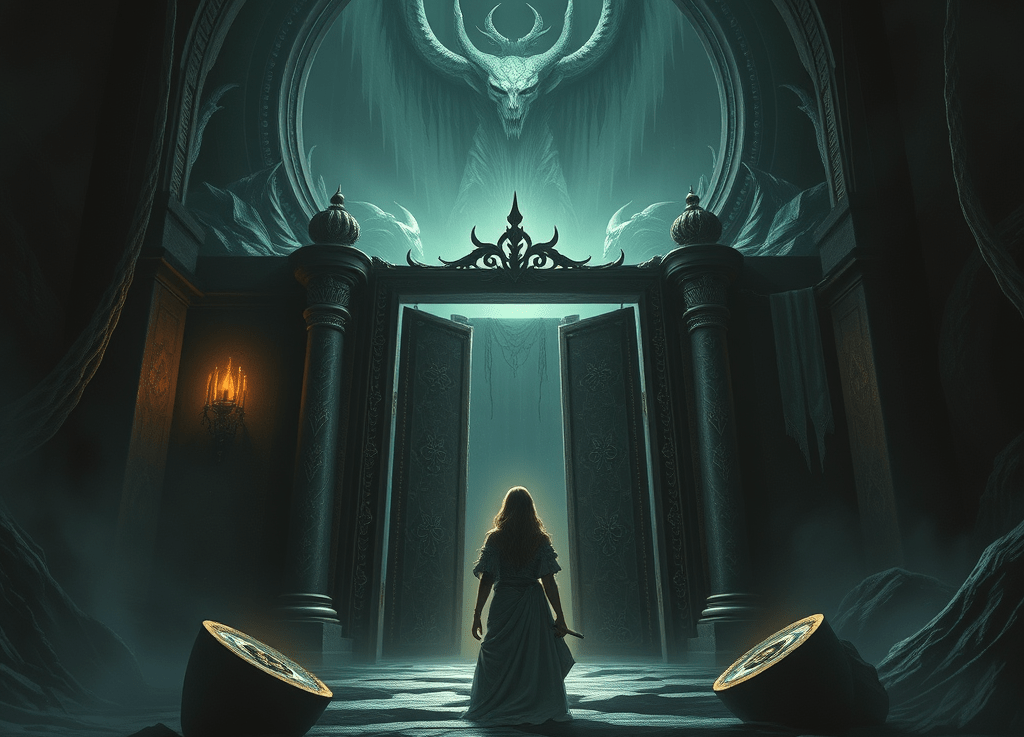
To Kurnugi, land of [no return],
Ishtar daughter of Sin was [determined] to go;
The daughter of Sin was determined to go
To the dark house, dwelling of Erkalla’s god,
To the house which those who enter cannot leave,
On the road where travelling is one-way only,
To the house where those who enter are deprived of light,
Where dust is their food, clay their bread.
They see no light, they dwell in darkness,
They are clothed like birds, with feathers.
Over the door and the bolt, dust has settled.
Ishtar, when she arrived at the gate of Kurnugi,
Addressed her words to the keeper of the gate,
“Here gatekeeper, open your gate for me,
Open your gate for me to come in!
If you do not open the gate for me to come in!
If you do not open the gate for me to come in,
I shall smash the door and shatter the bolt,
I shall smash the doorpost and overturn the doors,
I shall raise up the dead and they shall eat the living:
The dead shall outnumber the living!”
The gatekeeper made his voice heard and spoke,
He said to great Inanna,
“Stop, lady, do not break it down!
Let me go and report your words to queen Ereshkigal.”
The gatekeeper went in and spoke to [Ereshkigal],
“Here she is, your sister Inanna [. . .]
Who holds the great keppu’toy,
Stirs up the Abzu in Ea’s presence [. . .]?”

When Ereshkigal heard this,
Her face grew livid as cut tamarisk,
Her lips grew dark as the rim of a kuninu-vessel.
“What brings her to me? What has incited her against me?
Surely not because I drink water with the Anunnaki,
I eat clay for bread,I drink muddy water for beer?
I have to weep for young men forced to abandon their sweethearts.
I have to weep for girls wrenched from their lover’s laps.
For the infant child I have to weep, expelled before its time.
Go,gatekeeper, open your gate to her.
Treat her asccording to the ancient rites.”
The gatekeeper went.
He opened the gate to her.
“Enter, my lady: may Kutha give you joy,
May the palace of Kurnugi be glad to see you”

He let her in through the first door, but stripped off (and) took away the great crown on her head,
“Gatekeeper, why have you taken away the great crown on my head?”
“Go in, my lady. Such are the rites of the Mistress of Earth.”
He let her in through the second door, but stripped off (and) took away the rings in her ears.
“Gatekeeper, why have you taken away the rings in my ears?”
“Go in, my lady. Such are the rites of the Mistress of Earth.”
He let her in through the third door, but stripped off (and) away the beads around her neck.
“Gatekeeper, why have you taken away the beads around my neck?”
“Go in, my lady. Such are the rites of the Mistress of Earth.”
He let her in through the fourth door, but stripped off (and) took away the toggle pins at her breast.
“Gatekeeper, why have you taken away the toggle pins at my breast?”
“Go in, my lady. Such are the rites of the Mistress of Earth.”
He let her in through the fifth door, but stripped off (and) took away the girdle of birth-stones around her waist.
“Gatekeeper, why have you taken the girdle of birth stones around my waist?”
“Go in, my lady. Such are the rites of the Mistress of Earth.”
He let her in through the sixth door, but stripped off (and) took away the bangles on her wrists and ankles.
“Gatekeeper, why have you taken away the bangles from my wrists and ankles?”
“Go in my lady. Such are the rites of the Mistress of Earth.”
He let her in through the seventh door, but stripped off (and) took away the proud garment of her body.
“Gatekeeper, why have you taken away the proud garment of my body?”
“Go in, my lady. Such are the rites of the Mistress of Earth.”
As soon as Inanna went down to Kurnugi,
Ereshkigal loked at her and trembled before her.
Inanna did not deliberate (?), but leant over her.
Ereshkigal made her voice heard and spoke,
Addressed her words to Namtar her vizier,
“Go Namtar [ ] of my [ ]
Send out against her sixty diseases
[ ] Inanna:
Disease of the eyes to her [eyes]
Disease of the arms to her [arms]
Disease of the feet to her [feet]
Disease of the heart to her [heart]
Disease of the head [to her head]
To every part of her and to [ ].”
After Inanna the Mistress of (?) [had gone to Kernugi]
No bull mounted a cow, [no donkey impregnated a jenny]
No young man impregnated a girl [in thr street(?)]
The young man slept in his private room,
The girl slept in the company of her friends.
Then Papsukkal, vizier of the great gods, hung his head, his face [became gloomy];
He wore mourning clothes, his hair unkempt.
Dejected(?), he went and wept before Sin his father,
His tears flowed freely before king Ea.
“Inanna has gone down to The Earth and has not come up again.
As soon as Inanna went down to Kurnugi
No bull mounted a cow, no donkey impregnated a jenny,
No young man impregnated a girl on the street
The young man slept in his private room,
The girl slept in the company of her friends.”
Ea, in the wisdom of his heart, created a person.
He created Good-looks the playboy.
“Come,Good-looks,set your face towards the gate of Kurnugi.
The seven gates of Kurnugi shall be opened before you.
Ereshkigal shall look at you and be glad to see you.
When she is relaxed, her mood will lighten.
Get her to swear the oath by the great gods.
Raise your head, pay attention to the waterskin,
Saying, ‘Hey my lady,let them give me the waterskin, that I may drink water from it.'”

(and so it happened. But)
When Ereshkigal heard this,
She struck her thigh and bit her finger.
“You have made a request of me that should not have been made!
Come, Good-looks, I shall curse you with a great curse.
I shall decree for you a fate that shall never be forgotten.
Bread (gleaned(?)) from the city’s ploughs shall be your food,
The city drains shall be your only drinking place,
Threshold steps your only sitting place,
The drunkard and the thirsty shall slap your cheek.”
Ereshkigal made her voice heard and spoke:
She adressd her words to Namtar her vizier,
“Go Namtar, knock (?) at Egalina,
Decorate the threshold steps with coral,
Bring the Annunaki out and seat (them) on golden thrones,
Sprinkle Inanna with the waters of life and conduct her into my presence.”
Namtar went, knocked at Egalina,
Decorated the threshold steps with coral,
Brought out the Annunaki, seated them on golden thrones,
Sprinkled Inanna with the waters of life and brought her out to her (sister).
He let her out through the the first door, and gave her back to her the proud garment of her body.
He let her out through the second door, and gave back to her the bangles of her wrists and ankles.
He let her out through the third door, and gave back to her the girdle of birthstones around her waist.
He let her out through the fourth door, and gave back to her the toggle-pins at her breast.
He let her out through the fifth door, and gave back to her the beads around her neck.
He let her out through the sixth door, and gave back to her the rings for her ears.
He let her out through the seventh door, and gave back the great crown for her head.
“Swear that (?) she has paid you for her ransom,and give her back (in exchange) for him,
For Dmuzi,the lover of her youth,
Wash (him) with pure water,anoint him with sweet oil,
Clothe him in a red robe, let the lapis lazuli pipe play(?)
Let party-girls raise a loud lament(?)”
Then Belili tore off (?) her jewellery,
Her lap was filled with eyestones.
Belili heard the lament for her brother, she struck the jewellery [from her body],
The eyestones with which the front of the wild cow was filled.
“You shall not rob me (forever) of my only brother!
On the day when Dmuzi comes back up, (and) the lapis pipe and the carnelian ring come up with him,
(When) male and female mourners come up with him,
The dead shall come up and smell the smoke offering”

Sedna

Sedna


15 maart 2004 werd een nieuwe planeet ontdekt, die is vernoemd naar de Inuit Godin Sedna.
Ik heb een aantal astrologen gevraagd naar de impact van deze ontdekking op de astrologie, maar tot nog toe werken de ondervraagden er nog niet mee.
Ik heb zo’n gevoel dat dit heel belangrijk is!

Hedendaagse Heidenen

Hedendaagse Heidenen


“Heil aan Wodan, Wijze uit het Noorden! Heil aan Donar, machtige Donderaar! Heil aan Hella, Heerseres der Doden!”

Anno 1999 roepen Germanen hun goden aan en brengen ze een heildronk uit aan Balder, “Heer van Hoop”. De voorchristelijke Germaanse mythologie wint in Europa en de Verenigde Staten sterk aan populariteit.
De in Leiden gevestigde organisatie Het Rad – De Noordse Traditie en de Nederlandse afdeling van de Pagan Federation International maken deel uit van een internationaal netwerk van mensen die geloven in “Noordse goden”, zoals “Azen, Wanen, Alfar, Disir, Walkuren en land-, water- en natuurgeesten”.

Op het eerste gezicht een onschuldig tijdverdrijf.

Maar het gevaar van “Blut und Boden”-denken loert om de hoek.
De term “De Noordse Traditie” wordt volgens een voorlichtingsfolder van Het Rad “gebruikt door een groep mensen in Nederland die de oude religie van hun Germaanse voorouders in ere hebben hersteld”. De verzamelnaam voor deze beweging luidt ASATRU, dat “trouw aan de oude Noordse Goden” betekent.
Voor Asatru-aanhangers vormt de Edda, “een verzameling oude Noordse Goden- en heldenliederen”, een belangrijke inspiratiebron.
Daarin wordt de Ragnarok aangekondigd, een soort Germaanse apocalyps die volgens menige heiden ofwel neo-paganist rond het jaar 2000 zou moeten plaatsvinden.
Alle vormen van geloofsuiting zijn vrij, mits binnen de grenzen van wet en goede orde”, aldus de initiatiefnemers van Het Rad, die discriminatie op grond van geslacht, afkomst en seksuele geaardheid afwijzen.
Men zegt racisme te verafschuwen, omdat dit in strijd is met de “Negen Nobele Waarden: Eer, Trouw, Waarheid, Moed, Zelfstandigheid, Standvastigheid, Werklust, Gastvrijheid en Zelfbeheersing”.
Dat de heidenen van Het Rad hun religie niet opvatten als een spannend jongensboek met een hoog “Eric de Noorman”-gehalte, blijkt uit hun uitdrukkelijke distanciëring van “fascisten en andere rechts-extremisten” die “de oude Noordse symbolen” zouden misbruiken.

De lijst van “Negen Edele Deugden” is opgesteld door de oorspronkelijk Britse Asatru-groepering Odinic Rite en de Amerikaanse ex-beroepsmilitair Stephen McNallen.
McNallen is een belangrijke pionier en gangmaker van de Asatru-beweging.
Hij was oprichter van de Viking Brotherhood en trainde mee met de paramilitairen van de neo-nazistische Afrikaner Weerstands Beweging in Zuid-Afrika.
Momenteel is hij leider van de Asatru Folk Assembly.
McNallen beroept zich onder meer op de Chileen Miguel Serrano, die meent dat Adolf Hitler vandaag de dag op Antarctica verblijft en er met een vloot UFO’s dit keer wel in zal slagen om heel Europa te veroveren.

Samen met haar man Aswulf is Frigga Aswolf de drijvende kracht achter Het Rad.
In het clubblad Balder licht ze haar motivatie toe.
Na “een jarenlange zoektocht binnen het New Age-gebeuren” vroeg ze zich steeds meer af wat haar wortels waren. “Wat was de traditie van het land waar ik woon?” Toen zij 33 jaar was, gaf Freya Aswynn, “de hogepriesteres van Wodan”, haar “een gevoel van herkenning, thuiskomen, maar er ontstond ook een innerlijke strijd in mij”. Want “de verhalen, symbolen en tekens” brachten “pijnlijke herinneringen” aan. “De goden vragen mij de mensen weer te vertellen van hun bestaan. Ik? De kleindochter van grootouders die fout waren in de oorlog? Hoe cynisch!!” Frigga stelt dat ze door deze familie-achtergrond juist zeer alert is op extreem-rechtse ideologieën, zeker wanneer die zouden binnendringen in haar eigen organisatie. Is ze oplettend genoeg?

In een literatuurlijst van Het Rad worden boeken aanbevolen van twee aantoonbare nazi’s: Frans Eduard Farwerck en Jan de Vries. Farwerck was in de jaren dertig een invloedrijke propagandaleider van de NSB. Hij schreef de dikke pil “Noordeuropese mysterieën en hun sporen tot heden”, die in 1970 door uitgeverij Ankh-Hermes op de markt werd gebracht.
Daarin beschrijft Farwerck onder meer het Germaanse geloof in een vaststaand en allesbeheersend lot.
Maar volgens hem is de Noord-Europeaan in de loop van de geschiedenis nooit bij de pakken neer gaan zitten: “De Oriëntaalse mens is van nature fatalist, de Germaan is dit niet”.
De Vries was in de jaren 30 een Leidse hoogleraar in Oudgermaanse talen en religie en auteur van boeken over mythologie en “volkskunde”, waaronder “Altgermanische Religionsgeschichte”.
In 1940 werd hij voorzitter van het Algemeen-Nederlands Verbond (ANV).
In het ANV-blad Neerlandia toonde De Vries zich een voorstander van de toenmalige “Nieuwe Orde”.
Hij pleitte voor eenmaking van “de Dietse stam”.
In 1942 en 1943 was hij vice-voorzitter van de Kultuurkamer en het Letterengilde, sympathiserend lid van de Germaansche SS en in 1944 vluchtte hij naar Duitsland.
Na de oorlog zat hij wegens collaboratie anderhalf jaar gevangen.
Het Rad meldt de politieke achtergrond van beide auteurs in het geheel niet.

De “heidense hogepriester” Koenraad Logghe (zie ook Kleintje 317 en 318) vormt op internationaal niveau een belangrijke schakel tussen extreem-rechtse organisaties en Asatru-groeperingen.
In het nieuw-rechtse kaderblad TeKoS (Teksten, Kommentaren en Studies) schrijft hij uit te zijn op “rehabilitatie” van de “uitgesproken anti-democraat” De Vries.
De Belg Logghe is oprichter en voorzitter van de Werkgroep Traditie, een organisatie die sinds 1995 ijvert voor herleving en erkenning van heidendom in Vlaanderen.

Uit de internet-website van de Werkgroep Traditie blijkt dat men zich beroept op de “traditionalistische godsdienstwetenschappelijke school” van René Guénon en Julius Evola. Guénon was een theosofische nationalist; Evola, de ideoloog van Mussolini en een inspiratiebron voor het naoorlogse fascisme, vertaalde de beruchte anti-semitische vervalsing “De Protocollen van de Wijzen van Zion” in het Italiaans.
De in 1963 geboren Koenraad Logghe draait al jaren mee in extreem-rechtse kringen.
Hij was in het begin van de jaren tachtig actief in het neo-nazistische Nationalistisch Jongstudentenverbond (NJSV).
In de periode dat Logghe secretaris van de NJSV-afdeling Westland was, stond de NJSV op landelijk niveau onder leiding van niemand minder dan Filip de Winter, nu de grote man van het Vlaams Blok.

Eind 1983 richtte Logghe de Orde der Eeuwige Wederkeer op, een gezelschap van en voor “moderne heidenen”.
De Orde der Eeuwige Wederkeer had volgens de op schrift gestelde “grondbeginselen” tot doel “de eigenheid van ons volk en ons ras te vrijwaren en alle verstorende elementen te bestrijden”.
Twee weinig verhullende “grondbeginselen” van de Orde waren: “Wij hebben geen verplichtingen ten opzichte van de negertjes in Afrika”, en: “Onze ouders en grootouders waren geen verraders toen ze naar het Oostfront trokken”.
Van 1983 tot 1986 gaf de Orde der Eeuwige Wederkeer het driemaandelijkse blad Mjöllnir uit, waarin naast eigen werk ook artikelen verschenen van oude en nieuwe nazi’s.
Onder hen bevonden zich behoorlijk wat Nederlanders die te maken hadden met het beruchte nazi-genootschap Consortium De Levensboom, zoals Nico de Haas (ex-hoofdredacteur van twee SS-tijdschriften), J.C. Nachenius (Algemene SS-Nederland) en Mellie Uyldert (astrologe en zelfbenoemd specialiste in “rassenkunde”).
Logghe sprak er in 1984 in een brief aan Haagse Post-redacteur Auke Kok schande van dat anti-fascisten in Nederland actie voerden tegen Uyldert: “Met praktisch al haar ideeën ga ik akkoord, we moeten terug naar de natuur en ons ras zuiver houden.
Ik vind het een grof schandaal dat ze haar voor racistisch uitmaken, haar ideeën zijn edel.” En hij voegde er zonder blikken of blozen aan toe: “Als men met iemand van een ander ras zit opgescheept, dan kom je tot hele nare situaties.”

Andere auteurs in Mjöllnir waren onder meer Marika Lenting (lid van de nazi-jeugdbeweging Wiking Jugend), Guy de Maertelaere (TeKoS- en Gwenvedredacteur) en Roeland Raes (Vlaams Blok-ideoloog en -parlementslid).

In 1985 waarschuwde Filiep Vanden Broeck de lezers van het esoterische blad Bres voor het dubieuze politieke karakter van de Orde der Eeuwige Wederkeer.
Door dergelijke negatieve publiciteit zag Logghe zich gedwongen om de Orde der Eeuwige Wederkeer in 1986 op te heffen.
Daarna werkte hij onder meer mee aan Revolte, het blad van de nieuw-rechtse actiegroep en Vlaams Blok-satelliet Voorpost.
Ook trad hij toe tot de kernredactie van TeKoS.

Dit prestigieuze “culturele tijdschrift” wordt uitgegeven door Stichting Deltapers, die sinds de oprichting in 1980 fungeert als de Vlaamse tak van de Franse “Groupement de recherche et d’études pour la civilisation Europèenne” (GRECE).

Aan deze denktank van Europees nieuw-rechts werkt naast grondlegger Alain De Benoist ook Robert Faurisson mee, één van de beruchtste ontkenners van de holocaust.

Nieuw-rechts ontstond in Franse universitaire kringen halfweg de jaren zestig. De beweging stelt zich onder meer tot doel om extreem-rechtse theorieën en personen uit de taboesfeer te halen waarin deze na de Tweede Wereldoorlog verzeild zijn geraakt.

Men streeft naar het respectabel maken van de fascistische ideologie door het bedrijven van “metapolitiek”. Nieuw-rechts gaat er daarbij vanuit dat de samenleving eerst op intellectueel en cultureel vlak rijp moet worden gemaakt voor extreem-rechtse opvattingen, voordat het fascisme de macht kan overnemen.

Onderdeel van die strategie is om de “eigen” Westeuropese cultuur op te hemelen. Door het promoten van “Noordse goden” probeert men “eigen volk eerst”-opvattingen binnen te sluizen in nieuwe religieuze stromingen.
Voor de nieuw-rechtse beweging is het daarbij van groot belang om zich te ontdoen van het imago van racistisch brallende en op straat vechtende domkoppen.

In zijn artikel “Heidenen op de schoolbanken” in dagblad De Morgen van 13 november 1997 geeft journalist Jan de Zutter Logghe alle gelegenheid om het bezoedelde beeld van de Asatru-beweging schoon te poetsen: “Asatru wordt belast door een erfenis uit de Tweede Wereldoorlog, dat klopt, alhoewel de meeste Asatru-verenigingen de tolerantie hoog in het vaandel dragen.
De Werkgroep Traditie maakt geen onderscheid tussen politieke overtuigingen en we verbieden het zelfs om politieke propaganda te maken.
Wij spreken ook bewust van de Noordse religie, en niet van de Germaanse religie.”

De Zutter schrijft dermate positief over Logghes pogingen om op Vlaamse scholen lessen in heidendom te houden dat het artikel van De Zutter op de website van de Werkgroep Traditie is geplaatst.
Verbazingwekkend is De Zutters onkritische houding niet, want als auteur van het boek “De schaduw van de maan, moderne hekserij in Europa” treedt De Zutter het neo-paganisme welwillend tegemoet.
Bovendien maakt hij op zijn eigen website reclame voor de internationale beweging van heidenen en heksen.

Begin 1998 kondigde de esoterische uitgeverij Ankh-Hermes aan dat men van plan was om in Nederland het boek “De Graal: tussen heidense en christelijke erfenis” van Koenraad Logghe te distribueren.
Logghe had het in België al eerder in eigen beheer uitgegeven en probeerde nu de grootste esoterische uitgeverij van Nederland voor zijn karretje te spannen.

SIMPOS, een netwerk van kritische new age-watchers, verzocht Ankh-Hermes per brief “om niet langer samen te werken met extreem-rechtse personen, ongeacht welke esoterische levensovertuiging ze aanhangen.”
De uitgeverij bedankte de SIMPOS-medewerkers voor hun onderzoek en liet weten de distributie van het boek te zullen stopzetten.
Er bleef voor Logghe niets anders over dan het boek op 8 februari 1998 te presenteren tijdens de “eerste vormingsbijeenkomst” van de SOS-nieuwsbrief (Studie, Opbouw en Strijd), die onder redactie staat van Marcel Rüter, neo-nazi en één van de Nederlandse kopstukken van nieuw-rechts.

In de zomer van 1998 nam Logghe in Litouwen deel aan het eerste wereldcongres voor heidenen, mede georganiseerd door de neo-nazistische Armanenorde.

De geestelijke vader van de Duitse Armanenorde, in 1969 opgericht door Adolf Schleipfer, is de ariosoof Guido von List.
De ariosofie is een nazistische zijtak van de theosofie.
De Armanenorde gaat uit van een in dergelijke kringen gebruikelijke wirwar van samenzweringstheorieën over vrijmetselaars, joden, communisten en het “wereldkapitaal”.

Een vooruitgeschoven post van de Armanenorde vormt ANSE (Arbeitsgemeinschaft naturreligiöser Stammesverbüde Europas), geleid door Sigrun Schleipfer-Hammerbacher.
Met het ANSE-tijdschrift Huginn und Muninn wendt zij zich nadrukkelijk tot de hele spirituele beweging, om die zo meer in het extreem-rechtse kamp te trekken.

Logghe ontmoette op het heidenencongres onder meer Geza von Neményi, leider van de Germanische Glaubens-Gemeinschaft (GGG).
Wegens zijn uitgebreide contacten in extreem-rechtse kringen is Von Neményi in de jaren tachtig uit de Duitse Groenen gezet.
De GGG pleit in het clubblad Germanenglaube voor een instinctmatig en goddelijk geïnspireerd handelen waaraan de rede per definitie ondergeschikt is.
Dat leidt tot een sociaal-darwinistisch mens- en wereldbeeld: “In de natuur is het zo geregeld dat het zieke en zwakke ondergaat.
Dat mag afschuwelijk klinken voor mensen die door het christendom zijn beïnvloed, maar het is in het belang van de instandhouding van de mensensoort dringend noodzakelijk.
Als het zwakke zich verder voortplant, dan wordt de hele soort steeds zwakker en decadenter. Alleen in een gezond lichaam kan ook een gezonde geest zijn.”

Met vier afgevaardigden op het congres kan de Werkgroep Traditie “er prat op gaan actief te hebben bijgedragen aan de oprichting van het World Congress of Ethnic Religions”.

Dit samenwerkingsverband moet “traditioneel-religieuze bewegingen een wettelijk kader bezorgen waarmee ze naar hun plaatselijke of nationale overheid kunnen stappen ter verdediging van hun etnische religie”.

Ook de Pagan Federation International (PFI) had op het congres een vertegenwoordiger, Wiberg uit Zweden.
De leidster van de Nederlandse PFI-afdeling is Morgana, met wie Het Rad intensief contact heeft, aldus Frigga Aswolf.
De PFI-afdeling organiseert elke laatste maandag van de maand in het AC Restaurant Utrecht een “heksencafé”.
Op de Nederlandse PFI-internetsite verduidelijkt men de politieke uitgangspunten van de Asatru-beweging: “De vasthoudendheid aan de Noordse principes leidt in de meeste gevallen tot een eerder conservatieve visie op de maatschappij”.

Frigga heeft Logghe en zijn Werkgroep Traditie leren kennen via de PFI, die daarmee de functie van trefpunt en paraplu-organisatie duidelijk waarmaakt.
Met Logghe wisselt Het Rad tijdschriften uit.
Naar eigen zeggen loopt het contact van Morgana met Joanne Agate en Stefan van den Eynde van de Belgische PFI-afdeling “erg goed”.
Agate en Van den Eynde zijn beiden ook lid van de Werkgroep Traditie.
De Nederlandse en Belgische PFI-afdeling organiseren regelmatig zogeheten pub-moots, “ongedwongen bijeenkomsten om in contact te komen met anderen en vrienden te maken”.

Op de Belgische pub-moot van 13 september 1998 hield Logghe een lezing.
Op die van 14 november 1998 sprak Jan de Zutter over “wicca”, hekserij. Morgana is samen met ene Merlin ook betrokken bij Silver Circle, “centrum voor de Oude Religie”.

Volgens Silver Circle hoort wicca “thuis bij andere natuurreligies, zoals het geloof van de Aborigines in Australië, het geloof van de Indianen, en veel soortgelijke stamgebonden religies.”
Volgens Morgana is de neo-paganistische beweging de laatste jaren “explosief gegroeid”.
Het aantal activiteiten en de organisatiegraad neemt sterk toe.
Op 5 juni 1999 organiseert de PFI dan ook de Europa Conventie 99, de eerste grote internationale manifestatie van heidenen in Europa.
En sinds kort bestaat er ook een Europees PFI-blad.

Op 7 maart hield Logghes Werkgroep Traditie in Antwerpen zijn tweede “traditioneel-religieus” congres met “gasten uit binnen- en buitenland”.
PFI-vertegenwoordigster Morgana was van plan om daar informatie te verspreiden en maakte dan ook vooraf volop reclame voor dit congres.
Als één van de sprekers was Jörmundur lngi aangekondigd, religieus leider van de Asatru Felagid Association van IJsland.
Zijn door de theosofie geïnspireerde collega-priesteres Gudrun Kristin Magnusdottir houdt blijkens haar website niet van “semieten”.
Volgens haar hebben de Noord-Europeanen de band met het eigen culturele erfgoed verloren.

Een geïmporteerde “vreemde semitische cultuur” zou de Noord-Europese identiteit en glorie hebben verdrongen.

“De Noordse Traditie staat los van iedere politieke stroming”, aldus Het Rad.
“Extremisten zitten bij ons aan het verkeerde adres”, durft Logghe te beweren.
“Wij staan tolerant tegenover zowat alles, maar van politiek moeten we niets weten.”

Het staat echter buiten kijf dat de Asatru-beweging een broeinest is van conservatisme en zelfs neo-nazisme.
Achter namen als Asatru Folk Assembly, Asatru Alliance of Independent Kindreds, Odinic Rite en Wotansvolk gaan organisaties schuil waarvoor de Amerikaanse Jewish Defense Organisation (JDO) waarschuwt.
“Joden moeten hun vijanden kennen”, aldus de JDO-website.

Aan dubieuze neo-paganistische organisaties is geen gebrek.
Neem bijvoorbeeld Nordlandia. Nordlandia-contacpersoon M.H. Akkerman uit Rotterdam was van 1993 tot 1994 bestuurslid van de extreem-rechtse Partij voor Milieu en Recht.

Hij zette bij de gemeenteraadsverkiezingen in 1998 zijn handtekening voor de VNN (Volksnationalisten Nederland). Ook Ton Verbraeken, ex-lid van de CD, CP’86 en Nederlands Blok, was actief bij Nordlandia en ook betrokken bij het Onafhankelijk Paganistisch Platform.

Het Vlaams Heidens Front maakt het wel bijzonder bont.
Deze organisatie, die goede contacten onderhoudt met de Werkgroep Traditie en de PFI, biedt op zijn website NSB- en Vlaamse SS-posters uit de Tweede Wereldoorlog aan, en een brochure over de esoterische betekenis van het hakenkruis en het Keltisch kruis.

Over de multiculturele samenleving heeft het Vlaams Heidens Front een uitgesproken mening. Men citeert daarbij de “Germaanse hogepriester” Jürgen Rieger: “De Germanen zijn altijd gastvriendelijk geweest.
Wanneer iemand kwam en weer ging, was alles in orde.
Maar bij de Germanen gold ook het spreekwoord: een gast stinkt na drie dagen.
Iedereen werd als gast aanvaard, zelfs in de armste hutten, drie dagen was hij graag gezien en daarna moest hij weer gaan.
En wanneer de gast dan niet ging, werd hij er dwangmatig uitgezet. Zo is dat vandaag ook nog.”

Voor het Front is het zonneklaar “dat multicultuur de weg vrij maakt voor het Amerikaanse cultuurimperialisme in Europa.
Multicultuur? De dood van alle cultuur!”

Het Vlaams Heidens Front maakt deel uit van het Allgermanische Heidnische Front.
Deze internationale neo-nazistische beweging bewijst hoe gemakkelijk het neo-paganisme kan afglijden naar een regelrechte “Blut und Boden”-ideologie: “De landen waaraan we zijn verbonden door ons bloed en onze voorouders, worden langzaam maar zeker overgenomen door vreemde krachten.
Alsof het al niet genoeg is dat Germaanse en Europese landen miljarden en miljarden weggeven aan Derde Wereld-landen, zijn we nu gedwongen om hun onwelkome burgers op te nemen en te ondersteunen.
Steeds meer niet-Europese migranten overstromen ons land, stelen onze toekomst, terroriseren onze steden en ontwijden onze heilige plaatsen door er kerken, synagogen en moskeeën te bouwen.”

Zoals zoveel andere neo-paganistische organisaties vindt het Allgermanische Heidnische Front dat het christendom en andere “niet-Germaanse” religies “virussen” zijn.
“Om van deze ziekten te genezen, is er slechts één medicijn: heidendom.” Dit ‘medicijn’ zou wel eens etterende wonden kunnen veroorzaken. ——————————————————————————– Dit artikel is verschenen in Kleintje Muurkrant