Tag: myth

Foxy Lady’s visionquest part 2

Foxy Lady’s visionquest part 2


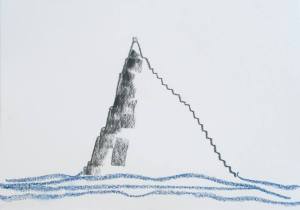
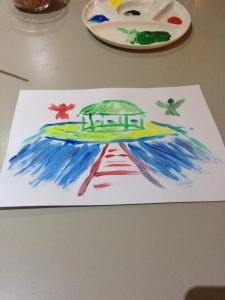
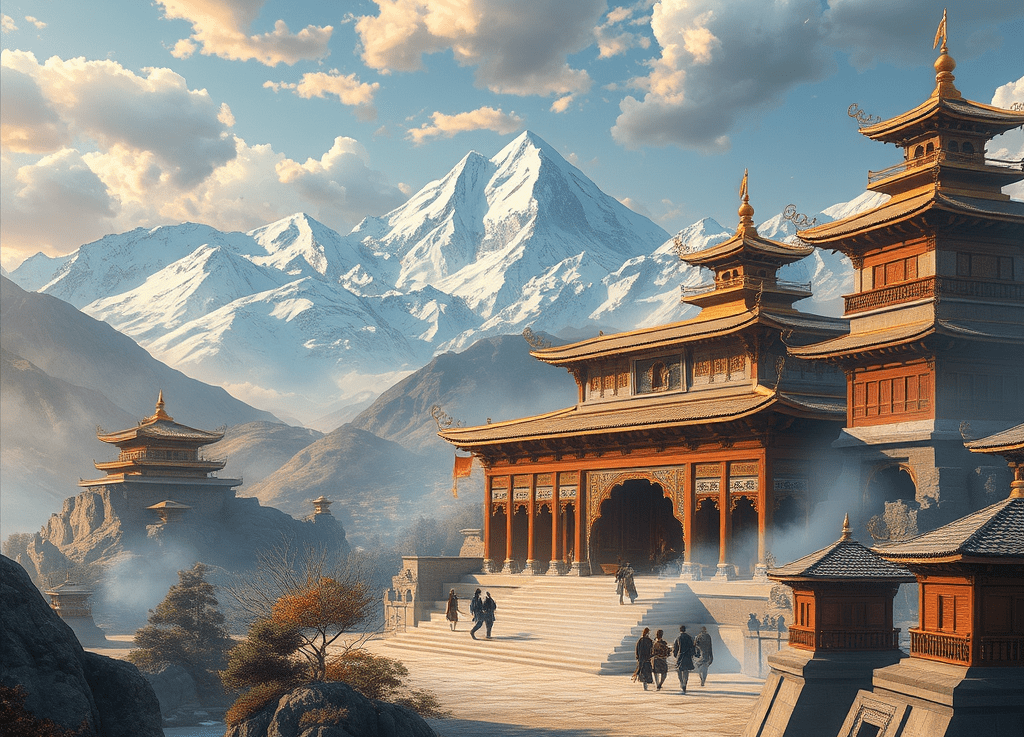
Remembering the last temple of Earthshaking Sealord,
high up the Great Mountain…
The faithfull, who fled the wrath of the Sorcerer-King,
made their last stand.
Lightning smote their ranks,
but still they stood firm…

Unable to stand the strain of eldritch energies,
the Land broke apart,
the Sea invaded,
all were scattered to the corners of the Earth…

Was Pontius Pilatus schuldig aan de dood van Jezus?

Was Pontius Pilatus schuldig aan de dood van Jezus?


Het merkwaardige is, dat er uit die periode geen romeinse documenten zijn overgeleverd over het proces tegen Jezus onder leiding van Pontius Pilatus, en dat terwijl de Romeinen heel secuur waren met het vastleggen van politieke processen.

Dus als we zouden moeten afgaan op de primaire bronnen (ipv de overgeleverde kerkmythos), zou PP vrijgesproken moeten worden van gerechterlijke dwalingen bij gebrek aan bewijs.

Pre-Communist Tibet: Embodying the myth of Shangri-la?

Pre-Communist Tibet: Embodying the myth of Shangri-la?


Of course, ancient Tibet was no paradise, but the People’s Republic ‘liberation’ of Tibet is not creating a new Marxist dream for the common man…

“If China is the great success story of speedy free market development, and is to be the model and inspiration for Tibet’s future, then old feudal Tibet indeed may start looking a lot better than it actually was.”

Friendly Fuedalism – The Tibet Myth

Blogged with the Flock Browser
Comments on my diary: China Journey 2007

Comments on my diary: China Journey 2007


Looking back at my journey:

For me, connecting with the ancestors is becoming a very important issue.
Not only the faraway mainland china connection, but also the more recent chinese diaspora to Java and Holland.

Often I feel on a gut-level during a meeting with somebody with these same roots: we are related, a few hunderd years ago…

The more I research on the shamanic roots of the chinese way of living, the more I discover:
chinese ancestor worship, gongfu (animal-styles, bagua), fengshui, divination (yi jing).

Fragments of my diary: China Journey august 2007:
At this moment I’m in Chongqing, the middle of china.
Already had a intense time in Shanghai-Yangtze river-Fengjie, later on I will visit Xian and Beijing.

Many things here remind me of Indonesia: the way people walk, the smells on the street, the shops, the slums.
I often have to explain that I do not speak chinese, but that my ancestors came from here.

Shanghai is weird: the contrast between sf and slum is great.

On the Yangtze I realised how this river is connected to chinese history. The great dam has already caused whole villages being displaced to outer provinces like Tibet and Xinjiang, imagine the suffering of the farmers of the displaced people but also on the receiving end in the outer provinces who have to cope with new invaders.
Many old ways are being destroyed in the name of progress.
At the dam I touched mother earth in a rock garden, it made me cry.

At Fengjie, city of ghosts, made for all the spirits from china, I realised how much has been destroyed by the cultural revolution.

Chongching is also very large and polluted, my stay here will be short.

I am looking forward to visit Xian, the tomb of the first emperor.
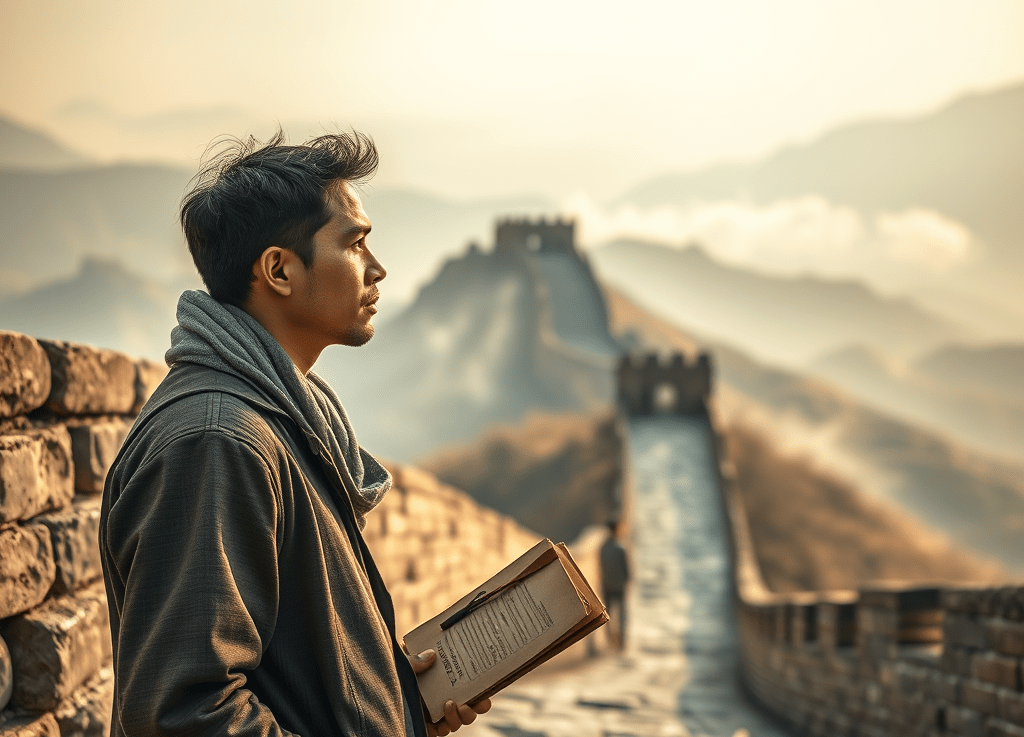
And of course in Beijing I will visit the great wall and TianAnMen square.

I hope to be back safe and well during Lammas…

…later…

Xi-an:

Terracotta army in the First Emperors’ tomb.
He was a real monster. Yeah, he ‘pacified’ China, but at the cost of many lives.

The Great Mosque of the Hui minority, fascinating to see all kinds of mythic creatures (like dragons etc) depicted despite the Muslim ban on depicting creatures.
Somewhere during the Tang-dynasty the Hui were invited in as mercenary troops to surpress peasant revolts, but now the Muslims are being distrusted as a possible source of terrorism.
Well, the Uighur in Xinjiang and Kazakhstan have cause to rebel against the pressure to be ‘assimilated’ as the Tibetans.

Beijing:

TianAnMen! Standing here, realising how the students’ movement was put down with tanks and guns,moves me to tears.
Weird to realize, that our guide (age 27) has never seen the pictures of that drama.
I brought a origami whitecrane all the way to Holland to here, originally to place it somewhere on this square to honour the fallen, but it was too crowded, so I gave it to our guide with the words: ‘in remembrance of the students that died, remember!’

Later on we had a tour through a Hutong, another ancient way of living that’s disappearing in the name of progress & profit: a network of old alleys & houses that form small downtown communities around a common well. The guide showed us a model-family (state-approved on show for tourists of course) who had many modern-day thingies like tv, refrigerator, dvd-player, piano; receiving tourists must be very profitable!.

Met some nice shopkeepers: one of them was very delighted to hear that my ancestors came from her home province Fujien, she was able to tell me that the dialect of my predecessors is still common in the area of the MinNan, another piece of the puzzle found!
….

Back home again: unpacking, cleaning myself & my stuff, opening my mailbox, calling friends.
Feels like I need to see some dear friends soon to reconnect to this land again!

When I was in china, I recoqnized many things I also saw in Java: the way people dress & move, the smells, the food, the housings. I never realised the great influence of the oversea chinese on the Javanese culture!”

Arie & Dragons

Arie & Dragons


Arie says:

Somehow I felt that the international healing magick should be done with
the aid of Dragons.

Wikipedia says:

The origin of Chinese dragon is not certain, but many scholars agree that
it originated from totems of different tribes in China .

Chinese dragons are strongly associated with water in popular belief.
They are believed to be the rulers of moving bodies of water, such as
waterfalls, rivers, or seas.

At the end of his reign, the first legendary Emperor Huang Di was
said to have been immortalized into a dragon that resembled his emblem, and
ascended to Heaven. Since the Chinese consider Huang Di as their ancestor, they
sometimes refer to themselves as “the descendants of the dragon”. This legend
also contributed towards the use of the Chinese dragon as a symbol of imperial power.

The four Dragon Kings (龍王; pinyin: Lóng Wáng) are, in Chinese mythology, the divine rulers of the four seas (each sea corresponds to one of the cardinal directions)

Comment:
Connecting with the Dragon Kings means connecting with elementary powers.
Proceed with caution!

Die goede oude tijd van het Matriarchaat, een sprookje?

Die goede oude tijd van het Matriarchaat, een sprookje?


Vreedzame matriarchale culturen, zoals geponeerd door Gimbutas etc, is nog heel veel controverse, de hypothese is tot nog toe onbewezen.

Er zijn wel zogenaamde Matrifocale/Matrilineaire culturen, dwz culturen waar relatief meer focus is op moeders/vrouwen, zonder expliciet dominantie te veronderstellen:

De Nari (Kerala, India), de Wemale (Ceram): van deze stammen is bekend dat de mannen primair professionele krijgers zijn, waardoor er een mannentekort is, wat zou kunnen verklaren dat vrouwen daar meer de boel regelen, dit is dus niet bepaald een vreedzame matriarchaat.

De Trobriand (Nieuw Guinea), de Minangkabau (Sumatra): deze stammen zijn matrilineair, de erflijn gaat via de vrouwelijke tak, maar dat is nog geen matriarchaat in de zin van vrouwenheerschappij, want anders zou je ook Jodendom kunnen rekenen tot matriarchaat.

Nu zijn er wel mythes over matriarchale samenlevingen: Amazones etc., maar of die ooit bestaan hebben?

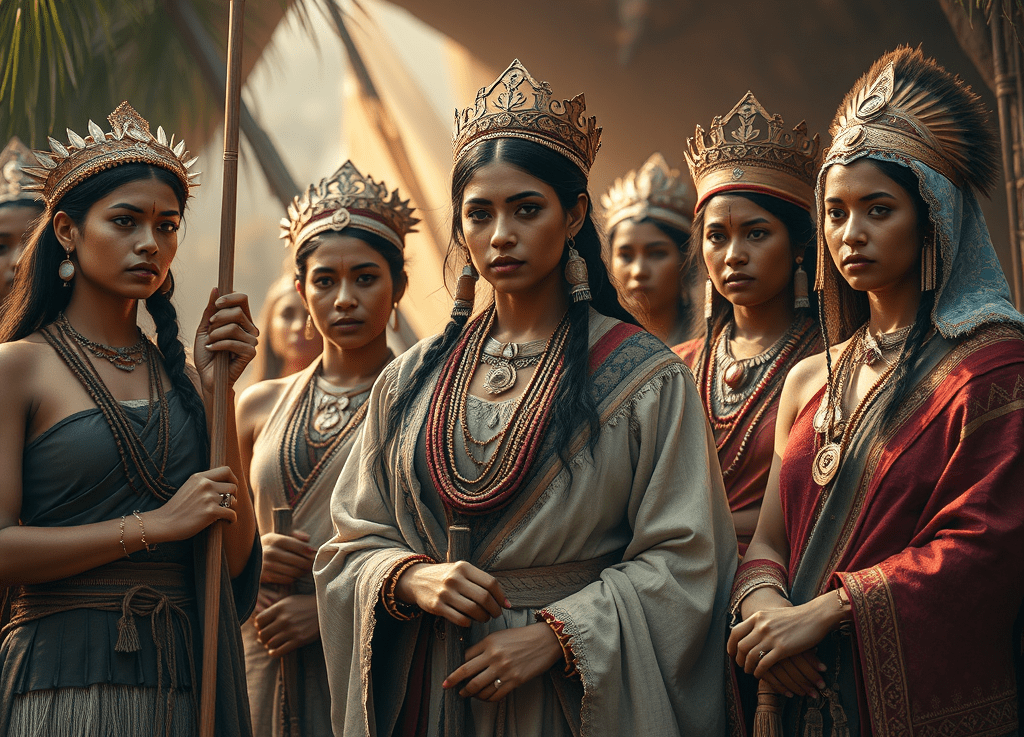
Er zijn krijgshaftige koninginnen geweest:
Alexander de Grote werd teruggedrongen door de Koningin van Nubia, de Romeinen kregen klop van koningin Boudicca en koningin Zenobia.
Wat dit ook moge bewijzen, in ieder geval geen vreedzame matriarchaten!

Zie ook: http://en.wikipedia.org/wiki/Matriarchy

Wat zijn Elven?

Wat zijn Elven?


Mbt de Keltische elven gaan de oude verhalen in de Ierse traditie over goddelijke wezens, die in een veldslag door mensen werden verslagen en naar de holle heuvels werden verbannen.
Ook bij dit type elven komen beroemde smeden voor (Zoals Govannon), en zijn onderaardse schatten te vinden (Zoals bij Arawn, heer van de onderwereld).
Samhain was zo gevaarlijk, omdat juist dan de Sidh uit de heuvels konden komen om rond te spoken.
In latere verhalen kom je ze ook meer tegen in (afgelegen) bossen.
Goden-voorouders-dodenrijk zijn dus ook voor deze elven mogelijke associaties.
Mbt de Nordische svart-alvar moet ik inderdaad eerder denken aan dwergen, chtonische onderwereld-types, via de associatie met mineralen ook te associeren met smeedkunst en schatten.

De Elzenkoning zou een verkeerde vertaling zijn van het Deense Ellerkonge, Elvenkoning, maar via die associatie wordt een natuurwezen samengevoegd tot Heer van de Dood.
Anderzijds, het hoofd van Bran (‘Els’) word na zijn dood nog geraadpleegd als Orakel, en later komt hij als Heer van de Onderwereld slag leveren tegen Gwydion (zie ook ‘the battle of the trees’)

Misschien dat de mythos van Elven valt terug te voeren tot een voorouder-cultus of dodencultus, maar de associatie naar natuurgeesten hoort er ook bij.
Wellicht een synthese, het idee dat voorouders als boomgeest voortleven?

Shapechangers & Otherkin

Shapechangers & Otherkin


In de vroege fase van de foetus zijn mensen nog reptielen, dus eigenlijk zijn we allemaal reptielen.

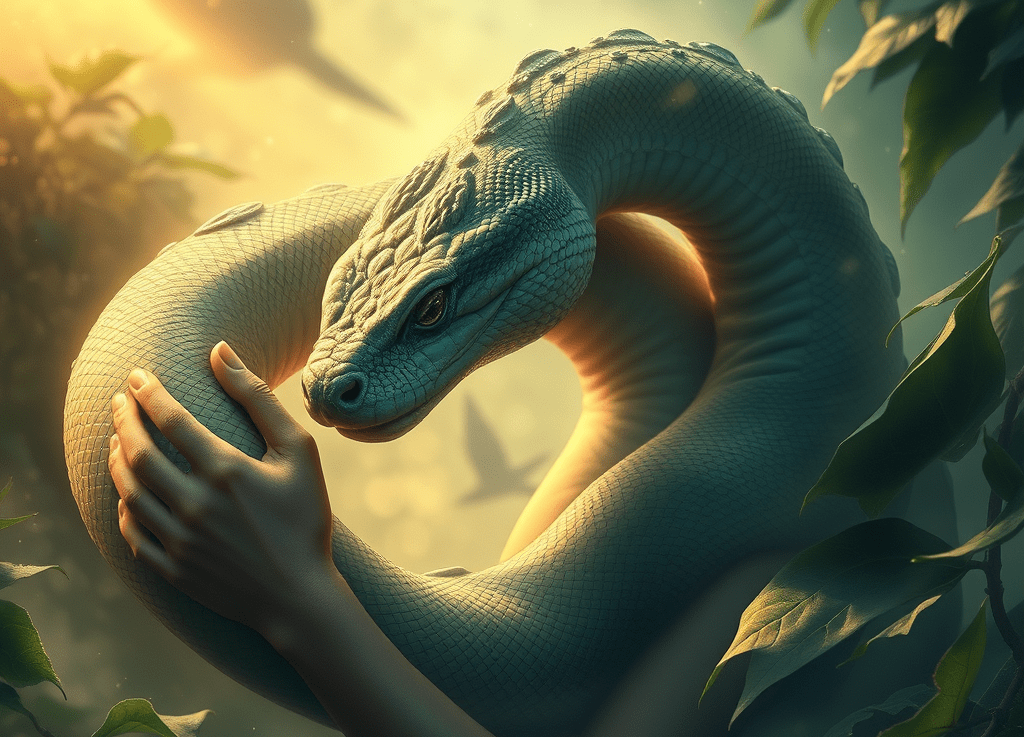
Er zijn overleveringen mbt reptielmensen zoals de Naga, en andere verhalen over diverse beestmensen, en vergeet niet de overleveringen mbt shapechangers (mensen die in beesten kunnen veranderen of andersom)

In de sjamanistische tradities is shapechanging een belangrijke techniek, maar wordt er weinig moreel oordeel geveld mbt het soort wezen waarin je verandert of waarmee je verbinding hebt.
Slang is een Wijze Genezer, dus als er iets zou bestaan als Slangemensen dan zit daar niet perse negatieve connotaties aan in het sjamanistische perspectief.
Het idee dat Slangemensen per definitie slecht zijn, is een misvatting uit de Joods-Christelijke traditie die de Slang heeft gedemoniseerd.

Een moderne variant vh idee van Shapechangers zijn de zgn Otherkin, mensen die geloven dat ze eigenlijk andere wezens zijn in mensengedaante.
Nu kan ik me best wel voorstellen dat iemand tijdens een sjamanistische trance Beer manifesteerd, maar volgens mij is het in de sjamanistische tradities niet zo dat iemand zoiets ook in de dagelijkse werkelijkheid continue doet.